
Image Source: Getty Images
The complexities of moving up and moving out
There’s a silence that comes with your first apartment in a new city. It’s not the cozy kind. It’s the kind that hums through the walls when the boxes are unpacked and the noise of moving day dies down. Suddenly, it’s just you, your thoughts, and the weight of being somewhere unfamiliar.
Everyone talks about the freedom of independence; however, few talk about the loneliness that comes with it.
On paper, I was ready for this. A college degree under my belt, grad school ahead of me, and a lease with my name printed on it. In the eyes of society, it may frame that as success… that “you’ve made it” and “you’re on your own now.” But here’s the part that’s harder to admit… independence doesn’t always feel empowering…sometimes it feels isolating.
The first grocery trip nearly broke me. Staring at endless shelves, realizing I couldn’t just run home for my mom’s cooking. Assembling furniture at 1 a.m. and wishing I had someone to laugh through the frustration with. Walking the streets of a new city, not knowing anyone, not being known. It’s not just about learning to pay bills or cook for myself. It was about learning who I am when there is no safety net right outside my door.
People move to new cities every day, but doing it as a grad student hits different. It’s not the same as chasing a job with a steady paycheck or moving for the thrill of adventure. Grad school is pressure-filled, uncertain, and allegedly, often lonely. I’d say that depends on personal experience, but two things can be true at once.
According to the Census Bureau, nearly 80% of people who move stay within 100 miles of home. But grad school often asks you to leap much further. Geographically. Emotionally. Financially. You’re not just moving your stuff. You’re moving your life, your identity, your sense of belonging.

Image Source: Pexels
So far at the start of this first semester, I feel like I am constantly in between phases: the honeymoon stage, where everything feels shiny and new, and the negotiation stage, where reality sets in. The city lights were beautiful, but walking back to an empty apartment at night can feel heavy.
Here’s the paradox. In that loneliness, I am beginning to find pieces of myself. Independence stripped away the noise of familiarity and forced me to sit with myself. I had to ask: “Who am I when no one is around to define me? What kind of space do I want to create for myself? How do I take care of myself?”
It is messy. Some nights, I am sitting on the floor eating ramen, wondering why I ever thought I was ready. Other nights, I felt unstoppable, like the city and my apartment were proof that I was growing into the person I always imagined.
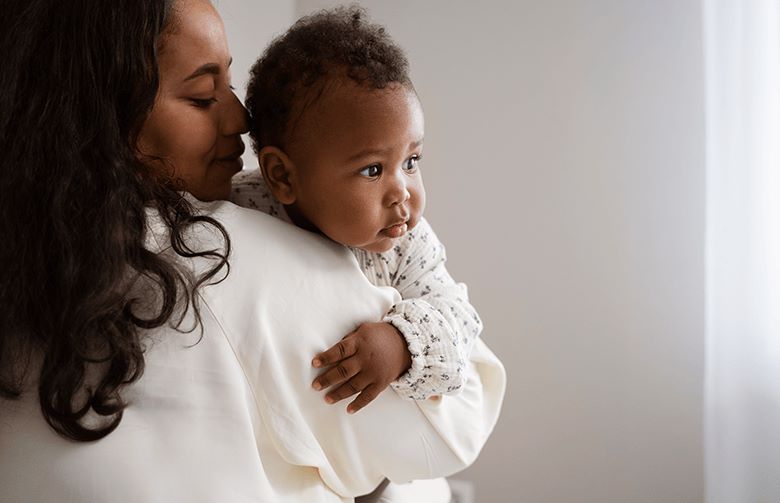
And yet, I wasn’t entirely alone. My village, though not always physically here, was a huge part of my journey. The family that sent money for groceries. Friends who FaceTimed through long nights. Mentors who reminded me that needing help doesn’t erase independence.
That’s the cultural clash we rarely talk about. In the U.S., independence is often romanticized as isolation: do it yourself, prove yourself, don’t lean on anyone. But in reality, especially in Black culture and community-centered traditions, independence and community go hand in hand. We don’t “make it” alone. We make it because our people pour into us, even when we’re miles away.
My first apartment isn’t just mine. It’s built on the prayers, advice, money, and encouragement of others. It’s also where I plan to discover who I am when the world gets quiet.
Independence isn’t just freedom. It’s complicated. It’s lonely, it’s exhausting, but it’s also where growth happens. Moving out forced me to face myself, but it also reminded me that even in new cities, even in the silence, I carry my village with me.
This apartment is more than a milestone. It will be a reflection of who I am becoming, and will represent the people who made sure I didn’t have to become that person alone.
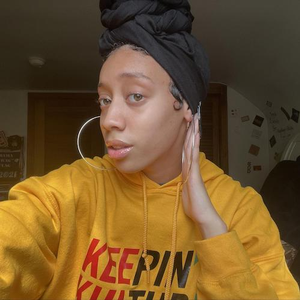
Kyrah Page is currently a student at Lincoln University. She is also the CEO and founder of her own brand called “Keepin’ It Kultured.” Where she combines art with activism to empower, inspire and educate the Black community. She advocates for change, promotes black positivity, and addresses controversial issues. Kyrah is many things but most importantly she is an activist.