
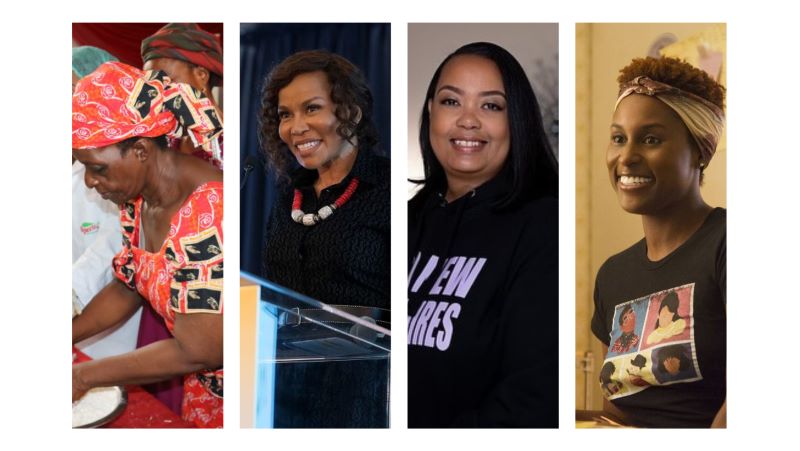
Most of us did not learn to be generous from a textbook. It was from our mothers, who we saw feeding a neighbor’s hungry child, or that auntie who paid our school fees when our parents could not afford it.
Long before scholarships and mentorship programs had names, Black women were already giving quietly, without expecting anything in return except that we rise. In every Black community, from Philadelphia to West Africa, Black women are still extending a hand of kindness and believing that their giving will go a long way toward helping future generations.
The theme for this year’s International Women’s Day, Give To Gain, is really a call to return to what Black women have always done: lift one another, share what we know, and move forward together.
According to Maureen Okoro, Head of HR & People Strategist, AA&R Investment group, empowered women empower other women. For her, giving is about opening the door wider for others to have access.
“It’s not stopping others from climbing the ladder. When you’ve worked hard and walked through a doorway of opportunity, you don’t shut it behind you. You reach back and help others get the same opportunity that got you to where you are. Over the years, I have helped countless women secure jobs, guided young professionals through the early stages of their careers, and mentored many who are now thriving in HR themselves,” she says.
On this International Women’s Day 2026, we celebrate the Black women on the African continent and all over the world who are funding scholarships, building community programs, mentoring, and investing in the lives of young people.
And in the true spirit of the IWD 2026 theme, Give to Gain, they are giving time, money, knowledge, and love, and in return, entire generations are gaining opportunities and a future far bigger than their own.
Folorunso Alakija
Folorunso Alakija, one of Africa’s wealthiest women, has been empowering women. Many widows and their children can attest to her kindness. Through her Rose of Sharon Foundation in Nigeria, she provides scholarships and business support to widows and their children. The Foundation has supported many families and continues to do so, creating conditions that enable the widows to meet their basic needs and raise their children. To be a beneficiary, you must be a widow, a child of a widow, or an orphan, and you should apply through the official website, theroseofsharonfoundation.org.
She also founded Flourish Africa, a women’s empowerment movement that aims to provide female millennials and adults with access to information that helps them excel in their careers, love lives, and relationships.
On her 70th birthday in July 2021, Alakija, who has successfully empowered numerous female entrepreneurs, launched a N1 billion fund to support female-owned businesses in Africa.
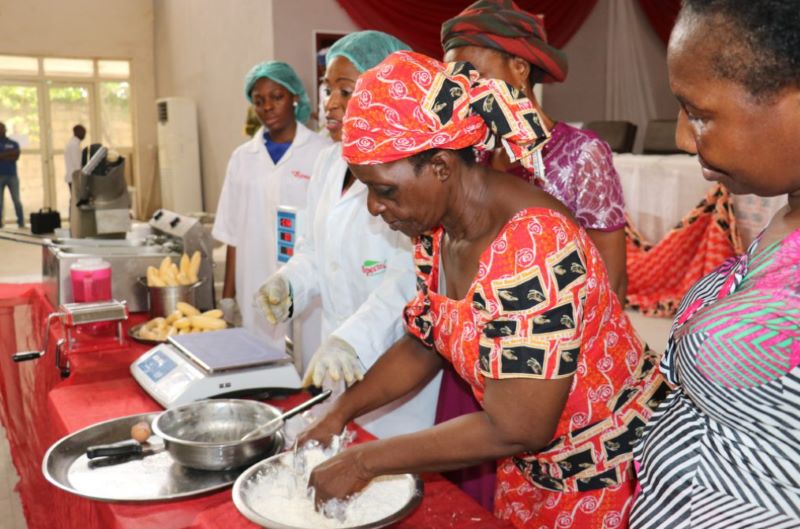
Photo source: The Rose of Sharon Foundation
Dr. Precious Moloi-Motsepe
Alongside her husband, businessman Patrice Motsepe, South African philanthropist Dr. Precious Moloi-Motsepe co-founded the Motsepe Foundation in 1999. The foundation, which has become one of Africa’s largest philanthropic organizations, has funded over 2,500 university bursaries. The foundation also invests in the infrastructure of under-resourced schools across the country, including classrooms, computer labs, libraries, and ablution facilities.
Dr. Moloi-Motsepe founded African Fashion International (AFI), helping to propel several African designers onto the international stage. She also launched the Girls in STEM programme in 2014 to build a critical mass of women in research and innovation.
In 2013, the Motsepes became the first African couple to sign the Giving Pledge, committing the majority of their wealth to humanitarian causes.
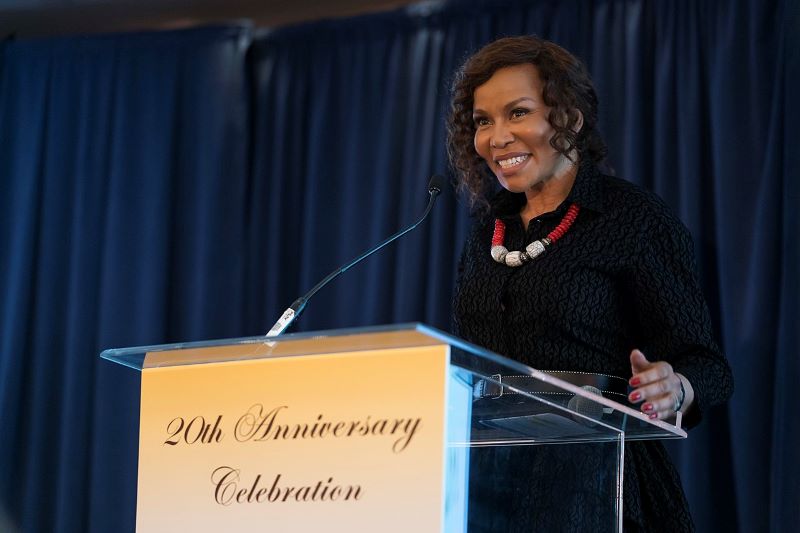
Foundations World Economic Forum, CC BY 2.0 https://creativecommons.org/licenses/by/2.0, via Wikimedia Commons
Ebony McKeever
Ebony McKeever founded the ProjectGiveBack Scholarship to support Black women pursuing higher education. In 2020, amid the pandemic, this American lady decided she could no longer just sit and observe. She began crocheting blankets by hand and selling them, using every dollar to fund what became the ProjectGiveBack Scholarship for Black women.
This scholarship is intended to highlight young Black women who have demonstrated excellent leadership skills and a commitment to giving back to the Black community.
“As a Black woman and first-generation college graduate, I understand the unique plight that Black women experience in the pursuit of an education,” she says.
High school seniors and GED holders are welcome to apply. It does not require a perfect academic record, but it does require evidence of a heart already oriented toward community. Applicants with volunteer or work experience and an active commitment to giving back to their community are strongly preferred.
Applicants are to submit a two-minute video explaining how their goals align with the spirit of ProjectGiveBack, alongside an essay on how they give back to the Black community or plan to do so.
Photo source: LinkedIn / Ebony McKeever
Arlan Hamilton
She went from being homeless to building a multimillion-dollar venture capital firm that funds underrepresented founders. Hamilton, founder and Managing Partner of Backstage Capital, is focused on investing in female, people of color, and LGBTQ entrepreneurs. Since its inception, the organization has raised nearly $30 million and invested in 200 startup companies led by founders of color, women, and/or members of the LGBTQ community. The firm provides funding and mentorship, resources, and access to networks to help these founders overcome the obstacles they face.
Among the founders she has backed is Sheena Allen, CEO of CapWay, a fintech focused on underserved communities.
In 2018, Hamilton announced a $36 million fund for Black women founders. She funded scholarships for Black female pilots and students at the University of Oxford.
Backstage Capital is not accepting new funding applications at this time. You can visit its website, backstagecapital.com, for new updates.
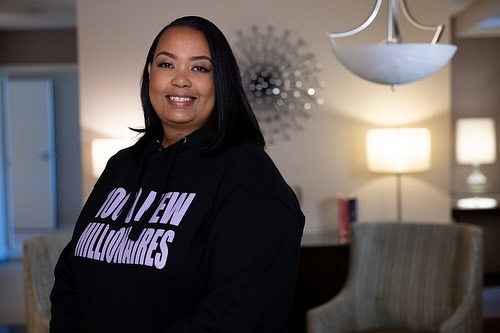
Photo Source: Instagram | Arlan Hamilton
Kimberly Bryant
She founded Black Girls Code, which supports young girls of color in STEM by providing resources and fostering an early interest in technology. Her mission is to increase diversity in the tech industry and inspire the next generation of female tech leaders. Over 100,000 girls of colour, aged 7 to 17, have been introduced to coding, creativity, and community.
In Bryant’s words: “I want something different for the next generation. Where they are actually given just as much opportunity and chances as their male peers, and there is true equity of opportunity in the world to both succeed, fail, and get back up and try again.”
Bryant has parted ways with Black Girls CODE. However, Black Girls CODE continues to operate and expand, offering programmes that have helped thousands of girls.
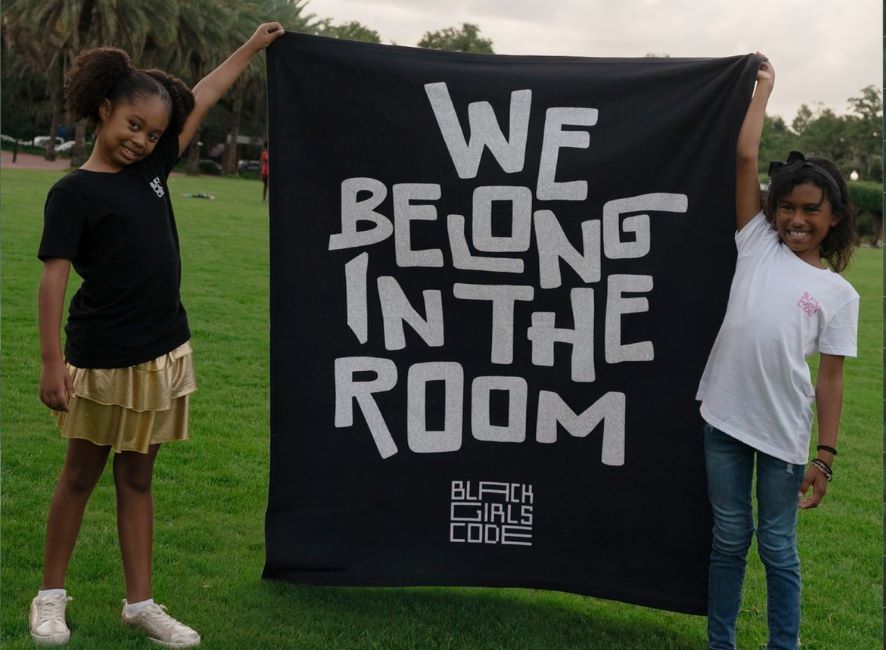
Photo source: Instagram / blackgirlscode
Issa Rae
American actress, writer, and producer Issa Rae is one of the people championing Black women’s stories through television, film, and digital media. One of her greatest acts of giving back is using her platform to uplift Black women both in front of and behind the camera. Through her production company, Hoorae Media, she has created opportunities for Black writers, directors, and actors, who would otherwise remain outside industry pipelines. ColorCreative, the management and production company she co-founded with Deniese Davis, is also dedicated to providing women and people of colour with representation and the infrastructure to build career-defining creative entities through ownership. You can check @colorcreative and @issarae on Instagram for application announcements.
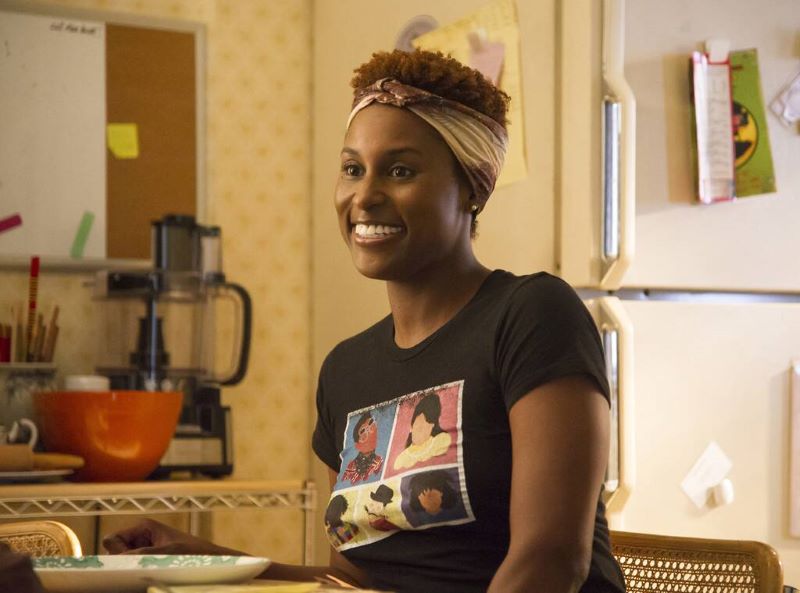
Photo source: Facebook / Issa Rae Presents
The Quiet Givers We See Every Day
Not all giving back happens in boardrooms or on social media. Some happen on the streets, in classrooms, and in communities, touching lives along the way.
We cannot ignore the Black women who return to their villages, provide medical care, pay school fees for children whose parents cannot afford them or carry out one charitable act or another. We also honor the teachers who run free classes for children in rural areas and those who buy extra supplies for students who need them. There is also the auntie who tutors kids in the neighborhood after school, and Black female professionals who have formed WhatsApp groups to share job listings, write recommendation letters for one another, and prepare younger women for job interviews.
Among these silent givers are stylists, fashion designers, and others who take young women under their wings, mentor them, and invest in the future.
People often assume giving requires wealth, but they are wrong. There are several ways to give without having millions in your account. You can mentor a younger student, share your skills, or help someone apply for college or scholarships. If you are in a position to hire, commission, recommend, or refer, use that power to create access for a Black woman who would not otherwise have it.