

Mental health: almost half of Johannesburg students in new study screened positive for probable depression
Globally, an average of about 21% of university students have major depressive disorder.
Globally, an average of about 21% of university students have major depressive disorder.
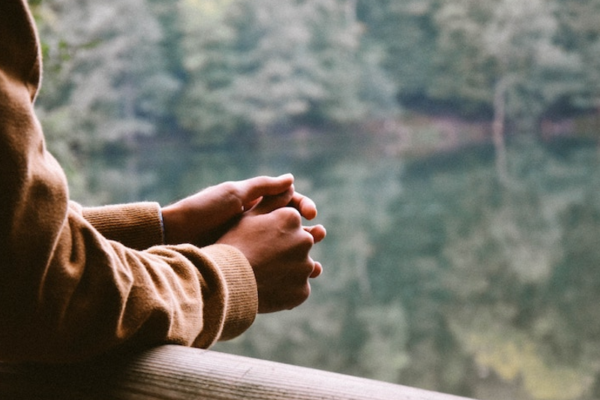
The conference shed light on the seriousness of the mental health crisis associated with many essential facts, such as 21 percent or 50 million adults experiencing mental illness in the United States.

Black mothers are the canaries in the coal mine when it comes to the mental and physical harms of stress from living with gun violence in America.

Losing a grandparent can increase adolescents’ risk of having a depressed parent and of having higher depressive symptoms themselves.

People who breathe polluted air experience changes within the brain regions that control emotions, and as a result, they may be more likely to develop anxiety and depression than those who breathe cleaner air.
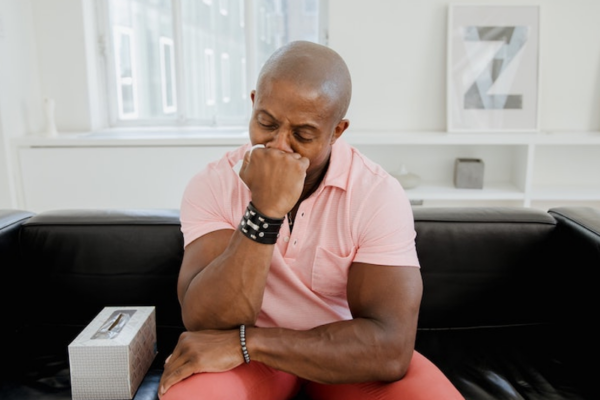
Men who experience violence, and efforts to prevent violence against men and boys, are conspicuously lacking from the gender-based violence discussion.
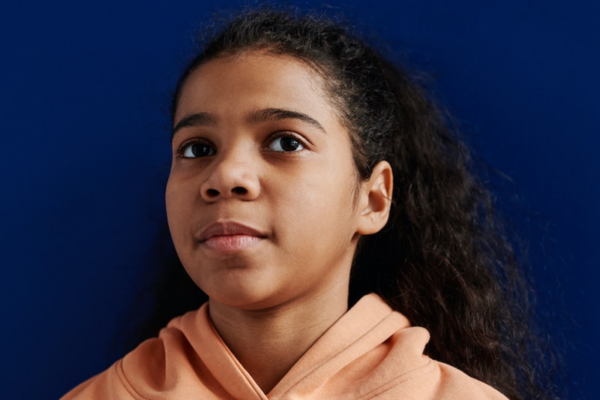
It’s a well-established fact that children’s and teens’ mental health took a hit during the pandemic. But new research suggests that teen girls in particular are suffering in unprecedented ways.
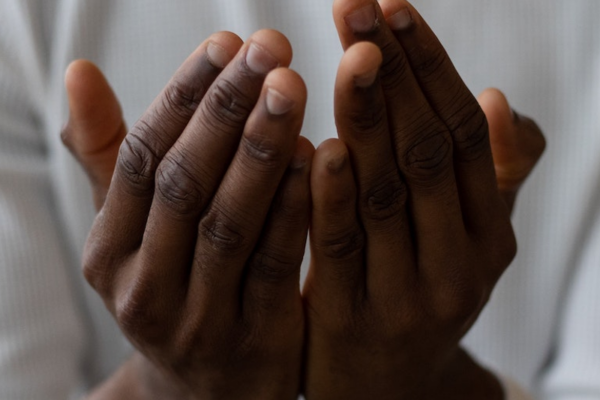
Black college students who resorted to self-blame when faced with stress were also more likely to experience suicidal thoughts within the past year.

As social workers, we are trained mental health professionals who prioritize social justice. But how do we cope when faced with the collective trauma of a global pandemic and the mental and emotional effects of racism?
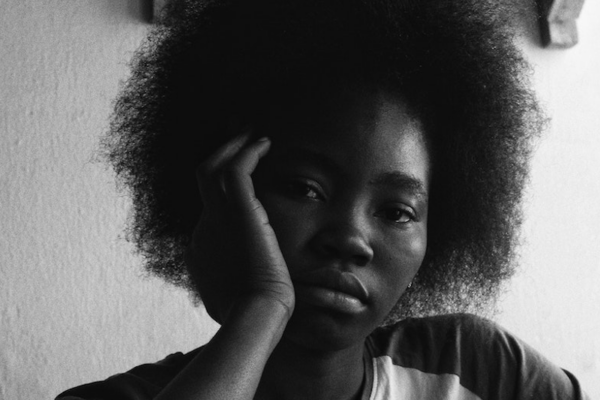
The Black young adult women in this study were more likely to seriously think about suicide because they could not live up to the expectations of other people and because they felt lonely and sad.