Image: AI-generated
The month of December in my community has always held remarkable significance for many elderly men and women, and, in some cases, young members of the community, as it is an opportunity to receive free medical treatment, ranging from surgical procedures to doctor-patient consultations and care.
This free medical outreach not only involved months of preparation but also required substantial donations to execute. Sons and daughters from the community, scattered across the country and in diaspora, took steps to either fund this initiative or support it with resources, both as nonmedical personnel and as medical personnel. The result, a community of thankful individuals happy to have had their medical needs addressed without needing to worry about the financial burden associated with it.
Among members of our diaspora community, this event held a sentimental value to them as it afforded them the opportunity of giving back to support initiatives that foster community well-being as well as development.
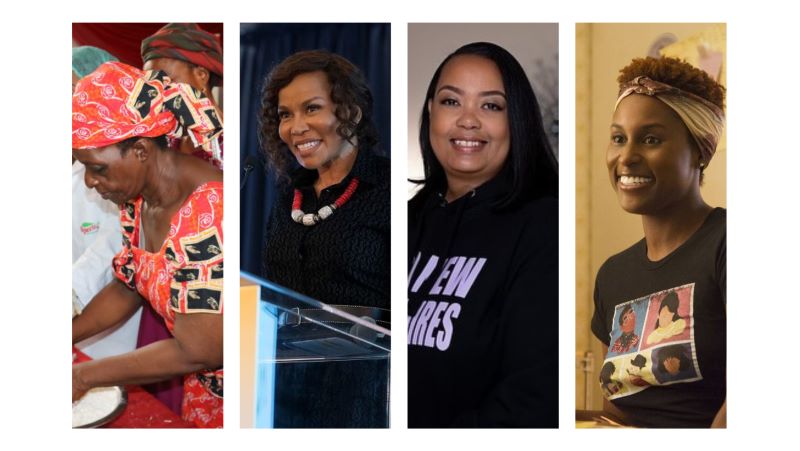
This act of philanthropy is a common denominator that is seen across many Black diaspora’s whether they are from Africa or Afro-Caribbean origins, especially in the United States, where the Black diaspora community have leveraged the holiday season as an opportunity to give back to their communities back home through several philanthropic gestures as well as explore initiatives that fosters progress within the very localities they reside in diaspora.
Rooted in Philanthropy
Supporting initiatives, providing aid, investing in education, housing, and other forms of organized support through philanthropic initiatives has remained an act that is greatly encouraged among many Blacks. Within the local communities, efforts to organize support and resources targeted at solving a community challenge or meeting a need are commonly seen in several places where you have a strong Black presence.
In Africa, the notion of being “our brother’s keeper” is greatly emphasized and acted upon through activities, programs, and initiatives targeted at assisting individuals or the community. Case in point is the earlier experience shared about the medical outreach program. Beyond that, the Igbo ethnic nationality from which I am from has continually pooled and committed resources to one form of philanthropic act.
Whether it is in the building of schools, construction of roads, hospitals, and other community-backed projects, these initiatives are executed through individuals, hometown associations, age-grade associations, as well as various informal networks. Similar philanthropic acts cut across several other communities in Africa.
Today, these traditions have become rooted in the lives of many Africans who continue in the path of philanthropy even in the diaspora by seeking ways to support through giving back to their community at home as well as in places they reside abroad. Whether it is through volunteering in neighbourhood programs or providing scholarship interventions for the children in their communities back at home, the spirit of giving back and building their communities continues to thrive both at home and among the Black diaspora.
Giving Back During the Holiday
For many Black diaspora’s, the holiday season provides a perfect opportunity for giving back to uplift and contribute to the development of their communities. One of the ways they do this is through remittances targeted at social intervention programs, project funding, celebration programs, or even to meet family needs during the holiday.
In a report by the United Nations Office of the Special Adviser on Africa titled Remittances in West Africa: Challenges and Opportunities for Economic Development, “Remittances are a crucial source of financing for many African countries, providing an essential lifeline for millions of households and small businesses. According to the World Bank, in 2022, Africa received over $100 billion in remittances. The North African subregion had almost half of the remittances, followed by West African countries, which received nearly $34 billion. Over the last decade, West African migrants have increasingly sent remittances to their family members back home”.
Other ways they do this are through diaspora led investments, whether it is through support for small-scale startups or multi-dollar infrastructure projects; these investments contribute to stimulating the economy of their communities by providing jobs to sustain livelihoods or drive development from rural to urban status in their homeland.
Education and training, as well as professional expertise, as was highlighted at the start of the article, where medical professionals in various fields flew into the country to both engage in the Christmas celebrations while also offering their professional services to provide health services to the needy in the community.
Also, according to the African Philanthropy Forum, “The Association of Nigerian Physicians Abroad (ANPA) in the United States and Ghanaian Doctors and Dentists (GDDA) based in the United Kingdom (UK) contribute immensely to local health care systems in Nigeria and Ghana, respectively”. These acts do more than bring smiles to the faces of their communities; they also reconnect them to their roots.
Community Building and Giving Back
Beyond doing so much for communities back home, the Black diaspora in the United States is also leveraging the holiday to give back as well as build the communities where they reside. One such example of giving back to the community is the Chinedu Valentine Okobi Sabbatical Program.
This initiative which was named after Chinedu Valentine Okoli who was unfortunately tased and beaten to death by the San Mateo County sheriff’s in 2018, set up by his family in diaspora, the initiative which was in partnership with the Black Feminist Fund (BFF) and the Black Girl Freedom Fund provided resources to create an opportunity for leaders of Black serving organizations committed to the struggle for liberation and security among Black communities to heal, rest and attend to their well being.
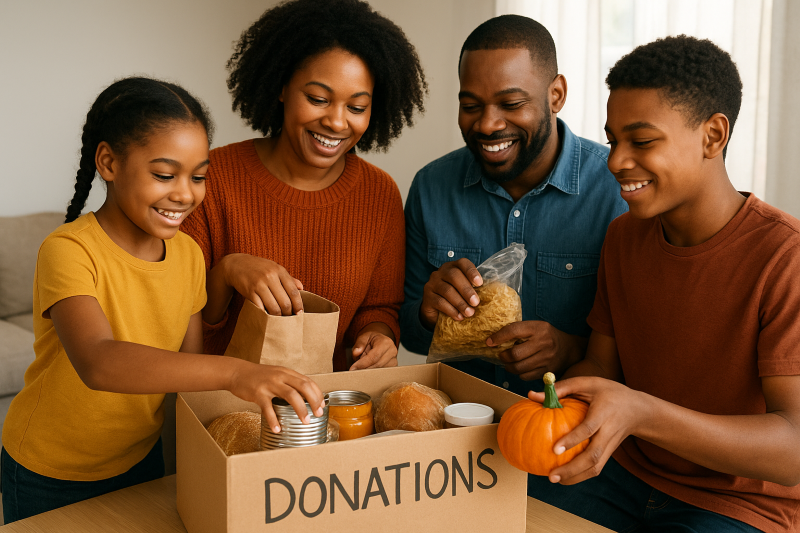
Other ways in which the Black diaspora also contribute are through health and wellness initiative programs, youth and mentorship events, as well as local food and clothing drives that promote cross-cultural relationships within the community.

Okechukwu Nzeribe works with the Onitsha Chamber of Commerce, in Anambra State, Nigeria, and loves unveiling the richness of African cultures. okechukwu.onicima@gmail.com