
Image Credit: Dreamstime.com
Long before scrolling, swiping, and trending hashtags, radio was Africa’s tool for social engagement and interaction. At home, market stalls, village squares and community centers, every turn of the dial was an introduction to a world of entertainment and engagement.
Crackling through Amplitude Modulation and Frequency Modulation signals (AM and FM), radio was the conduit for football commentary, political opinion, and late-night music dedications. In many ways, it could be argued that social media took its cue from much of what radio had long perfected.
Radio flourished in Africa because it was built for the continent’s realities. It required no literacy, no expensive data plans, and no broadband infrastructure. A small, battery-powered transistor radio could carry a signal across rivers and dense urban neighbourhoods alike. It was affordable, portable, and accessible.
As noted by Harri Englund in his article Radio as a Political Medium in Africa, “Radio’s affordability, portability, and use of local languages have long granted it a special status among mass media in Africa. Its development across the continent has followed remarkably similar paths despite clear differences in countries’ language policies, economic fortunes, and political transformations.”
Even today, radio remains one of the most consumed media platforms in Africa. Estimates suggest that between 60% and 80% of Africans regularly listen to the radio, making it one of the most widely reaching communication tools on the continent.
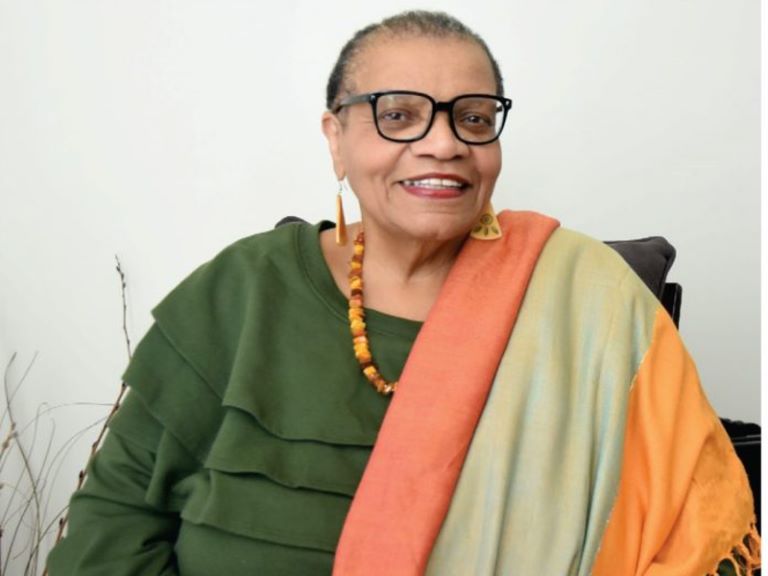
“Black radio has been a cornerstone for sharing our community stories, news, and music culture long before modern day platforms existed. Our community utilized it in a major way during the civil rights movement. We had the radio when our race was not allowed to perform or appear on television. It was a key marketing tool for sales and recognition. It has and continues to serve as a powerful space for representation and a voice for the community when others weren’t listening. Black news and music still is an important outlet.”
–Sandy Lawrence, music enthusiast
Perhaps one of radio’s greatest assets is its ability to provide a platform for diverse voices and opinions to be heard. Long before comment sections and live streams, radio fostered real-time public engagement. Call-in programs allowed listeners to challenge politicians, debate social issues, and contribute opinions directly. Dedicated segments provided political education, rallied support for struggling individuals, reconnected families separated by distance, and spread vital information through bulletins and community announcements.
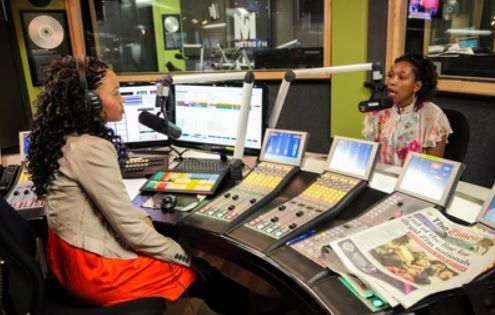
Image Credit: Dreamstime.com
Radio in Africa began as a political tool used by colonial administrations to perpetuate their interests. As noted by the African Media Centre for Excellence, quoting Cameroonian scholar Francis Nyamnjoh, “European states were quick to realise the part radio could play in realising their desire to swallow up weaker cultures around the globe.” The first official broadcast in Africa took place in Johannesburg, South Africa, in 1923.
During the World Wars, radio was a powerful medium for spreading propaganda and shaping public opinion, particularly as indigenous languages were introduced to rally support within colonies. The 1950s saw a shift. African liberation movements began leveraging radio’s reach to challenge colonial policies and mobilize nationalist consciousness. Anti-colonial broadcasts helped spur political awareness across the continent, contributing to the wave of independence movements that defined the late 1950s and 1960s.
As newly independent nations emerged, governments established national broadcasting agencies to expand local-language programming and promote cultural identity and cohesion. However, in some cases, state control later turned radio into a tool for censorship and political consolidation.
The 1990s ushered in liberalization across much of the continent, leading to the growth of private, commercial, and community radio stations in countries such as Nigeria, Ghana, Kenya, and South Africa. Indigenous-language broadcasting flourished. Programming diversified. Radio solidified its role as a vital and trusted source of information and entertainment. Today, radio remains Africa’s most trusted news source, demonstrating remarkable resilience and adaptability a century after its arrival.
Beyond information and entertainment, radio continues to serve as a powerful instrument for civic education, emergency alerts, political mobilization, and public participation. During elections, radio programs explain ballot procedures and host debates. During health crises such as the COVID-19 pandemic, they became lifelines for educating the populace and reaching those in need. During periods of unrest, they helped shape national conversations.
In many African households, the voice on the radio is familiar, sometimes more trusted than a forwarded message on social media. Radio personalities often build decades-long relationships with their audiences. Their credibility is earned through consistency.
Radio was also a vehicle for promoting local musical talent. Long before streaming platforms made music globally accessible, radio was the gatekeeper of music discovery. It launched careers and defined soundtracks for generations.
The Future of Radio
Radio prepared Africa for social media. It taught communities how to engage in mass conversation. It normalized public debate. It cultivated habits of listening and responding. It offered a platform for shaping and advancing public opinion.
Today, Africa’s youth may gather on social media platforms to trend conversations that eventually go viral. Technology may offer more tools than previous generations could have imagined. Yet across rural villages and urban neighbourhoods alike, radios still hum and remain vital instruments for informing and educating the populace.
As technology continues to evolve, the social function of radio evolves with it, ensuring that its impact remains invaluable in shaping civic culture, reinforcing cultural identity, and fostering citizens’ participation in politics and governance.
Before there were followers and timelines, there were frequencies and they still matter.

Okechukwu Nzeribe works with the Onitsha Chamber of Commerce, in Anambra State, Nigeria, and loves unveiling the richness of African cultures. okechukwu.onicima@gmail.com