Source: Premium Times Nigeria
I work hard and, because of the strain, look for small moments to take breaks. During these breaks, I often scroll through YouTube Shorts for entertaining, educational, and insightful videos.
During a short break, I watched a video of “Flavour,” one of Africa’s biggest music stars, dancing to his trending song “Big Moves Only” in Rome, Italy. He was surrounded by Italian men and women who executed the moves impressively. I replayed the video several times, proud of the global reach and embrace of African music.
There has never been a more exciting time to be African or to be inspired by Africa. Whether it is music genres such as Afrobeats, Highlife, Amapiano, Rumba, and Soukous, or the growing influence of African fashion, the continent’s cultural presence is dominant. African culture shapes global conversations and sets trends across music, film, art, and digital spaces.
Yet beneath this global recognition lies an important question: Are Africa’s creators receiving the recognition, ownership, and economic rewards they deserve?
Taking the World by Storm
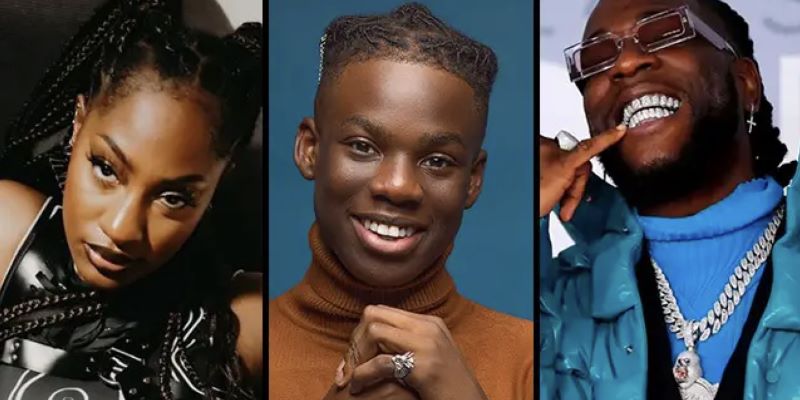
Across continents, African creativity stands out. Legendary artists like Femi Kuti, P-Square, and Lagbaja paved the way for the global recognition of African music, a movement that has elevated contemporary stars such as Rema, Burna Boy, Tems, CKay, Diamond Platnumz, Tyla, and Davido, among many others. Today, African music is impossible to ignore.
Beyond music, Nollywood, the South African film industry, and Ghallywood have evolved into global storytelling powerhouses, with productions now streaming to millions worldwide.
In fashion, leading designers such as Kenneth Ize, Amaka Osakwe, Youssouf Fofana, and Anifa Mvuemba are refining global aesthetics by merging tradition with modernity, an approach that major international brands increasingly draw inspiration from.
Even everyday cultural expressions, slang, dance moves, and humor are crossing borders through platforms like TikTok, Instagram, and YouTube. Africa now offers a global culture that people everywhere can connect with and enjoy.
Who Profits?
As African culture continues to rise on the global stage, a critical question remains: Are the creators receiving commensurate rewards for their talent?
An article by The Creative Brief titled “The Streaming Pay Gap: Africa’s Music Is Global, But the Money Isn’t Fair” highlights a growing concern. While African music enjoys record-breaking streaming numbers, the financial returns often fall short of expectations.
Muyiwa Awoniyi, manager of global icon Tems, recently shed light on this imbalance. He revealed that one million streams on Spotify in Nigeria generate roughly $300. In contrast, the same number of streams from Sweden can yield $10,000, a staggering 33-fold difference for identical creative output and consumption. This level of disparity raises serious concerns about fairness and sustainability.
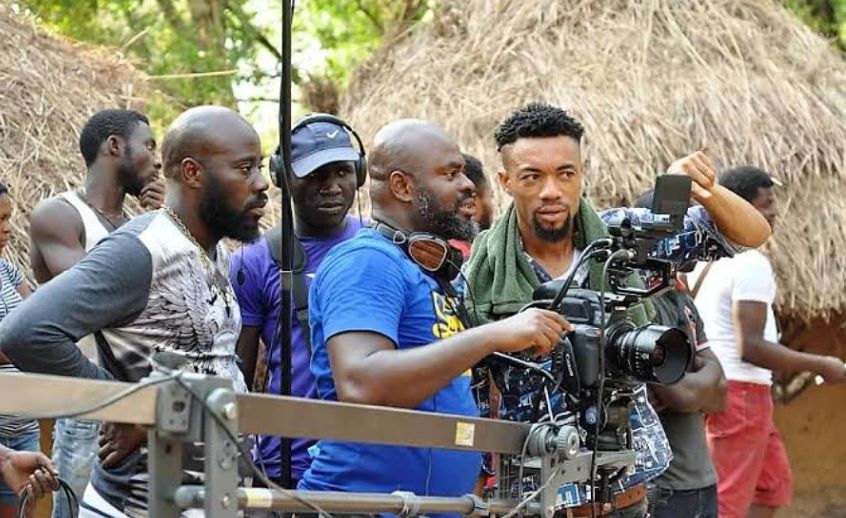
Source: ICIR Nigeria
While African artists and creators are gaining visibility, much of the financial reward flows elsewhere. International record labels, streaming platforms, fashion houses, and media corporations often sit at the top of the value chain. With their infrastructure, distribution networks, and capital, they are better positioned to monetize cultural products at scale.
In many cases, African creators remain contributors rather than owners. A hit song may generate millions of streams, yet the artist’s earnings are often diluted by unfavorable contracts, intermediaries, and limited negotiating power. Some artists sign agreements without fully understanding the terms or consulting legal experts who specialize in global contracts.
As a result, many unknowingly give up significant control over their work. Without strong intellectual property protections or access to legal support, creators can find themselves excluded from the value they generate.
This challenge is not limited to musicians. Digital creators face similar issues. Social media platforms make it easier than ever to go viral, but virality does not guarantee monetization. A dance created in Lagos or Accra can be replicated by influencers abroad who gain millions of followers and lucrative brand deals, while the original creator remains largely unrecognized.
This gap between creativity and income is one of the major challenges Black creators continue to face.
The Way Forward
Knowledge and education are essential tools in the creative industry. Regardless of the platform they operate on, Black creators must actively seek knowledge to navigate contracts, negotiate deals, and protect their work. Talent is important, but understanding the business behind creativity is equally critical.
While platforms like YouTube, Spotify, and Facebook are making efforts to protect intellectual property rights, local legislation across African countries must continue to evolve to meet global standards. Creators need assurance that their work is protected and that they can seek redress without unnecessary obstacles when exploitation occurs.
Equally important is investment in infrastructure across Africa. Black creators have become overly reliant on international platforms for visibility and distribution. Without governments and private investors building studios, strengthening distribution networks, and enforcing policies that protect creative works, this dependency will persist.
If local ecosystems are strengthened, creators can thrive within Africa while also competing globally on fairer terms.
Africa’s cultural rise is undeniable, and the world is paying attention. But to ensure that African creators do not remain on the fringes of both recognition and financial reward, industry leaders, policymakers, and creators themselves must play their part.
The goal is no longer just to have a seat at the table, but to own the table.

Okechukwu Nzeribe works with the Onitsha Chamber of Commerce, in Anambra State, Nigeria, and loves unveiling the richness of African cultures. okechukwu.onicima@gmail.com