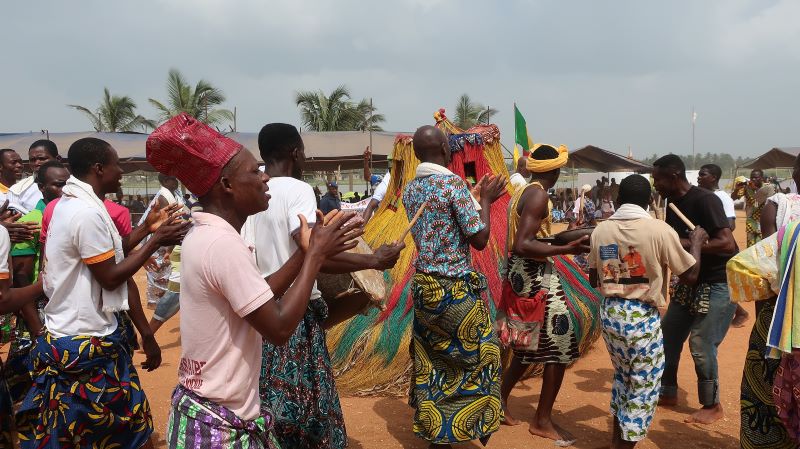
Photo: Voodoo festival procession. Kulttuurinavigaattori – Own work, CC BY-SA 4.0
Has Voodoo been misjudged? For a long time, Voodoo has been associated with Black magic, witchcraft, and the like. Most people only know Voodoo from horror movies and the stereotypes created by Hollywood. However, the reality is totally different.
Voodoo, also spelled Vodou, is a spiritual and religious practice that has its roots in West Africa. It is a religion that believes all things have spirits. It comes from the word for “spirit” in the Fon language. It originated in the Dahomey kingdom, present-day Bénin and Togo, and involves a special connection to ancestors and spirits, often shared through stories, rituals, and spiritual activities.
The administration of former President Nicéphore Soglo’s government formally recognized Voodoo as a religion in 1996. The president declared January 10 a national, paid holiday to celebrate Voodoo and the country’s other traditional faiths, saying they deserved the same recognition as Christian and Muslim events.
Before we go any further, it’s important to clear up some common misconceptions about voodoo.
“Stop saying that voodoo is about dolls. Voodoo is spirituality. Voodoo is you, it’s me. It’s the air we breathe. It’s the four elements, as we say: water, air, fire, and earth,” said Modeste Zinsou, manager of Benin’s Python Temple.
What Voodoo is not:
- Satan worship
- Black magic
- Evil witchcraft
- Zombies and voodoo dolls
- Racist horror movies
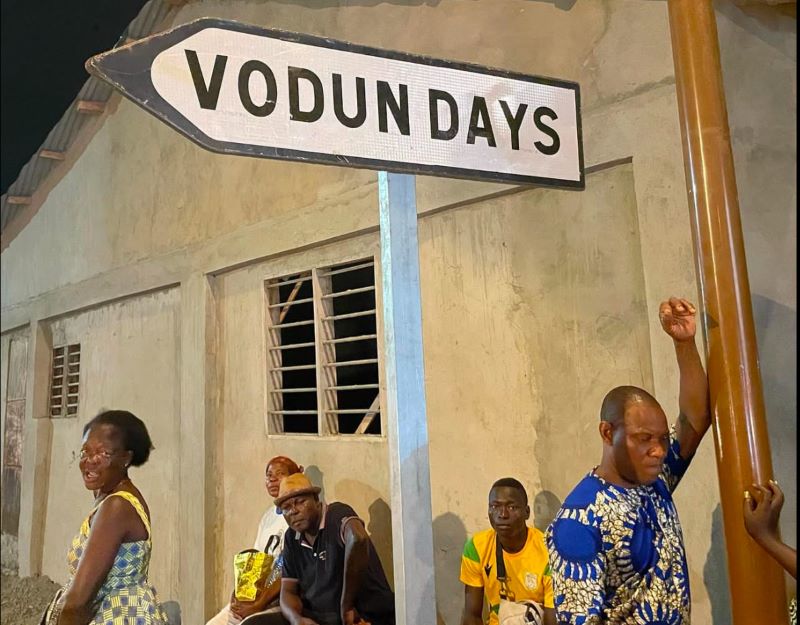
Photo source: Facebook / Visit Benin
Every year, Bénin celebrates the Ouidah Voodoo Festival, also known as the Fête du Vodoun. The festival honors Vodoun, one of West Africa’s oldest spiritual traditions.
The festival, which draws people of African descent, pilgrims, and visitors from around the world, takes place on January 10th, which is also recognised as National Voodoo Day in Bénin. On this day, Voodoo faithful meet in Ouidah for one of West Africa’s most powerful cultural and spiritual gatherings.
The 2025 festival, which marked the 30th anniversary of National Vodou Day’s establishment, drew over 40,000 attendees who gathered to experience authentic Voodoo ceremonies that have remained unchanged for centuries.
Ouidah, the Place Where it all Began
You cannot fully grasp the power of the festival without first understanding Ouidah itself. This was one of the largest slave trading ports in West Africa. Millions of enslaved Africans walked the agonizing 4-kilometer “Route des Esclaves” (The Slave Route) to ships bound for the Americas, the Caribbean, and Europe, waiting at the “Door of No Return.”
They carried nothing but the clothes they wore and the spiritual traditions in their hearts. Vodou was one of those traditions that later evolved into practices like Haitian Vodou, Cuban Santería, Brazilian Candomblé, and Louisiana Voodoo. Today, Ouidah is Vodou’s spiritual capital.
The town that witnessed unspeakable horror has transformed into a place of healing and remembrance. When attendees stand watching the colorful processions and hearing the chants in the Fon language, they are witnessing the resilience of a culture that colonialism couldn’t kill.
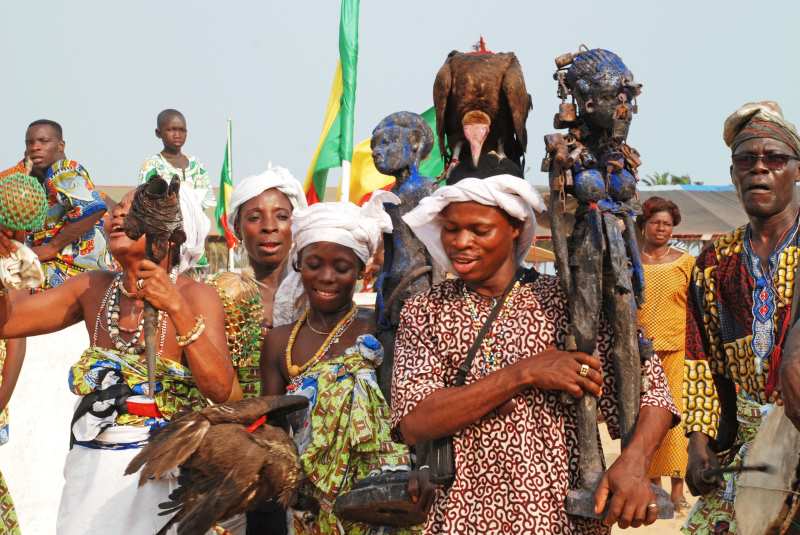
Photo source: Facebook / Native Eye Travel
What to Expect at the Ouidah Voodoo Festival
The Voodoo festival, renowned for its good vibes and great music featuring genres such as soul, disco, funk, reggae, and nu jazz, welcomes attendees from around the world to experience an authentic spiritual tradition that offers genuine wisdom about community, healing, and humanity’s relationship with the divine.
While the official celebration is January 10th, the Voodoo festival typically runs three days. This year, the Vodun Days will run from 8th to 10th January in Ouidah, in an area near the Door of No Return, close to the beach, and in special squares in the heart of the historic center.
If you are attending the Voodoo Festival in Oiudah, you will experience the following:
Rhythmic drumming that echoes across the town, traditional music, and dance performances.
- Processions from the Sacred Forest, where deities are believed to reside
- Spirit‑channeling dances performed by Vodun adepts
- Offerings to spirits and ancestors
- Public ceremonies led by voodoo priests and priestesses
- Voodoo rituals, involving complex ceremonies with trance states, music, and divination practices such as ‘Fa’.
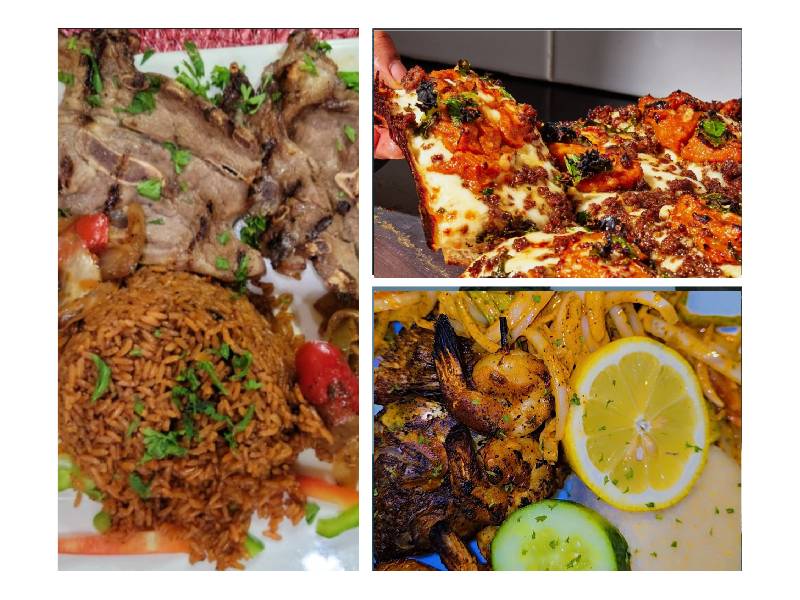
- Everything from traditional Beninese dishes rich with local spices and fresh ingredients to international street food.
- Colorful costumes and people dressed up as gods and ancestral spirits.
The primary masquerades seen at the festival are Zangbeto masquerades, the iconic “night guardians” who whirl like living tornadoes and spin in their haystack-like robes to cleanse the streets of bad energy, and Egungun masquerades, ancestral spirits embodied in towering, brightly colored costumes, which remain the most electrifying part of the day.
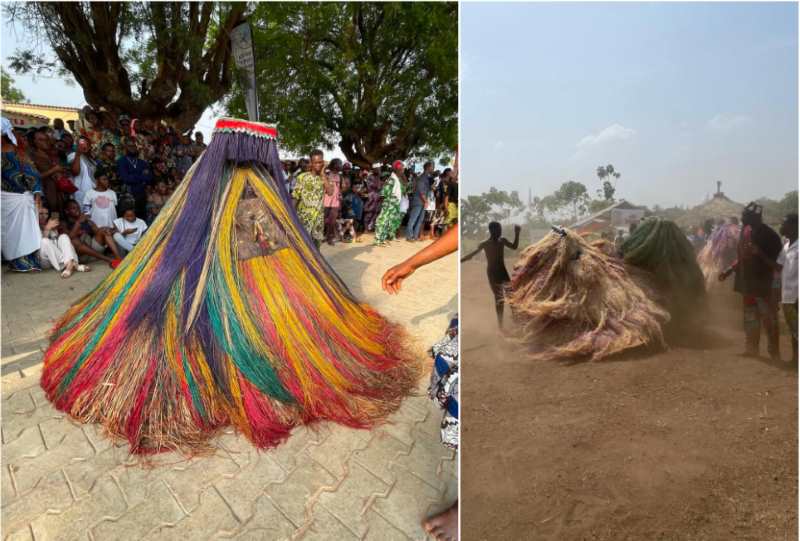
Photo source: Facebook / Visit Benin
Essential Travel Tips for Ouidah Voodoo Festival Attendees
Before attending this festival, you should note that it’s hot, crowded, chaotic, and unpredictable.
The best time to arrive is 2-3 days before the main festival on January 10th if you want to see the full build-up and participate in preliminary events. Ouidah’s accommodation options fill quickly, so booking in advance is essential.
How do you get to Ouidah?
The town is about 40 km west of Cotonou. Those coming from out of town can take a flight to the Bernardin Gantin Airport in Cotonou. A taxi from the airport to Ouidah takes about an hour, depending on traffic and road conditions.
Where do you stay?
Ouidah has limited accommodation, and most places fill up months in advance. Some of the available options are:
La Casa del Papa Resort: About 6 km from Ouidah. Rates from around 60,000 CFA (about $107) per night.
Hotel Diaspora: Right on the beach near the Door of No Return. Rates from around 35,000 CFA (about $63) per night.
Hôtel DK: This 3-star hotel is a 14-minute walk from the Ouidah Museum of History. Rates from around 19,000 CFA (approx. US$34)
If accommodation in Ouidah is full, you can fall back on Cotonou.
What are the visa requirements for Benin?
Benin offers an eVisa for tourism, business, and transit travelers. An application can be made online between 7 and 90 days before you travel.
Also, yellow fever vaccination is required for entry into Benin.
Attendees should adhere to the following guidelines:
- Dress modestly. Long trousers or skirts covering knees show appropriate respect, whilst white clothing is preferred for certain ceremonies.
- Ask permission before photographing ceremonies or individuals, and respect “no photography” requests during sacred moments.
- Remove shoes when entering sacred spaces
- Make donations at temples through your guide to ensure they reach the proper authorities