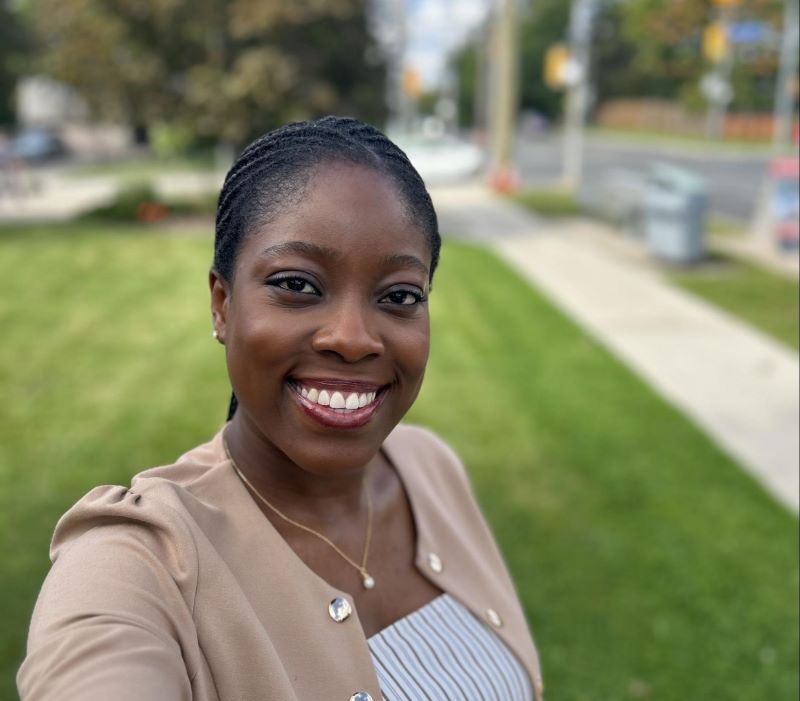

Many Nigerians dream of relocating abroad, imagining a life where hard work is finally rewarded, and opportunities come easier. But behind the Instagram photos, airport send-offs, and proudly announced visa approvals are stories of sacrifice, loneliness, and the kind of resilience nobody talks about.
In this conversation with FunTimes, Soso opens up about the realities of relocating to the UK, the things nobody tells you before you travel, and why moving abroad does not automatically mean an easy life.
Tell us a bit about yourself. Where do you live now, and when did you leave Nigeria?
I live in the UK, and I left Nigeria in February 2023. Before relocating, I lived in Port Harcourt and worked for a solar company, earning about ₦150,000 monthly. At the time, I was struggling to make ends meet. Beyond my personal situation, I was frustrated with how things were in Nigeria, and I reached a point where I felt staying wasn’t worth it anymore. I wanted a better life and believed I could find it abroad.
What were some of your biggest shocks when you first arrived in the UK?
The cold. Nothing prepared me for it. I arrived in February, right in the middle of winter. I brought jackets from Nigeria and honestly thought I was prepared. The moment I stepped out at Heathrow Airport, I realized those jackets were not ready for what was waiting for me. The jacket I wore from Nigeria was not doing the job. I thought maybe it was just that particular jacket, so I wore another one the following day. That one too was not jacketing. When I saw the kind of jackets other people were wearing, I realized that what I had brought from Nigeria was not suitable for British winter. The cold nearly finished me. I had to endure it for a while until I could afford to buy a proper coat from a charity shop because I could not afford a brand-new one at the time.
Another cultural shock was seeing how different life stages can be here. I met a 19-year-old lady who was married and already a mum, with a 21-year-old husband. Back home, that kind of news would probably call for a serious family meeting. But living here has opened my eyes. People grow up differently, take on responsibilities at different ages, and make choices based on their realities. It taught me to be less judgmental and more open-minded.
Some people say the grass is greener abroad. Has your experience changed your view of that statement?
In some ways, it is. But what they do not always mention is how much hard work goes into maintaining that green grass. The grass may be greener abroad, but you have to work very hard to enjoy it. When you travel abroad, especially when you are just arriving, you will work. Nobody is waiting to hand you free money. You have to work for your rent, bills, and almost everything you need. I remember when I got a warehouse job, after my first 12-hour shift, I got home and cried. I kept asking myself, “Who sent me?” I may not have been earning much, but I was a baby girl in Nigeria, and here I was standing from 6 p.m. to 6 a.m. in uncomfortable safety boots when I could have been sleeping comfortably in my bed. I told myself I would never do that kind of job again. But when my pay came the following week, I was smiling. I went back and did it again and again. That is the reality. You may come from a comfortable background in Nigeria, but when you arrive here, you have to be ready to do what needs to be done. You cannot afford to be too proud to work. There is no free money, and you will work hard for everything you have.
What are some things you wish you knew before relocating?
One big lesson is that being educated does not automatically guarantee a job. Many people arrive with degrees and years of experience, only to discover that finding their first job can take time. You may need to be patient, network, gain local experience, and sometimes start afresh.
I also wish people talked more about loneliness. Everybody talks about the cold, but loneliness can hit harder. You leave your family, friends, and familiar environment behind. You miss birthdays, celebrations and even ordinary moments with people you love. There is no one around to simply drop by your house or check on you the way people do back home.
I also wish I knew how quickly life could become busy. Time is money here. Between work, cooking, cleaning, studying, commuting, and paying bills, you have to plan your day properly. Before you know it, the week is over, and you have barely had time for yourself.
How has life in the UK been for you so far?
Life in the UK has been both rewarding and challenging. Life abroad, especially in the UK, is not the bed of roses many people back home imagine. Sometimes, the struggle can be overwhelming. You have rent, bills, groceries, work, and countless responsibilities that never seem to end. You can be exhausted, but you still have to keep going. You miss home, but you have to stay strong because you know why you came.
During my first year, I barely had time to go out, relax, or simply enjoy life. My main concern was making as much money as possible. Then one day I looked at my payslip, saw how much tax had gone to the government, and compared it with how hard I had worked for the money left over. I had to advise myself to calm down and enjoy life a little. What is the point of working all the time if you never get to enjoy the life you are working so hard to build?
In my line of work, we sometimes take our service users to parks and other recreational centres. Most times, I see White families spending time with their children, having picnics, relaxing and simply enjoying life. Very rarely do I see Black families in those spaces. Sometimes my colleague and I are the only Black people there. Whenever that happens, I find myself wondering where our people are. Then I remember: many are probably at work, doing extra shifts, trying to meet responsibilities and support loved ones. That is the reality for many Nigerians abroad. We work constantly, provide constantly, and push constantly, often without leaving enough room to actually enjoy the lives we are building. That is something I have had to learn. You need to make time for yourself too. Life cannot be all about working and paying bills.
Has your immigration status or the constant changes in UK visa policies affected how you see your future?
Yes, it has made things a bit challenging. One of the difficult things about being an immigrant is the uncertainty. Immigration policies change, visa rules change, and sometimes you don’t know what the next one or two years will look like. I have a care job that sponsored me, and I’m grateful for that opportunity. But the truth is nobody can confidently predict the future. Every few months, there’s another conversation about policy changes, new restrictions, or government plans. You cannot completely relax because your ability to remain here is tied to immigration rules and your circumstances. That uncertainty can be stressful. Still, when I compare my current situation to where I was before, I know I’m in a better place. I am able to pay my bills, support family members back home, and still save money. So, while I have my concerns about the future, I also recognize the progress I have made.
Some people return to Nigeria after spending years abroad. What do you think about the idea that Nigeria may be better than life abroad?
I think people need to understand that everybody’s experience is different. Don’t make your decision based on someone else’s story. When someone returns to Nigeria after living abroad, some people immediately assume that they must have returned because Nigeria is better. But that is not necessarily the case. Nigeria may be the better option for some people, but it may not be better for you. In the same way, living abroad may work well for one person and be a completely different experience for another. Someone may have a good job, a strong support system, and a comfortable life in Nigeria. Another person may be struggling and see relocation as the opportunity they need. Their reasons for making different choices are valid.
I do not think anybody should decide to relocate or remain in Nigeria simply because of another person’s experience. If you decide to stay in Nigeria, that is fine. If you decide to relocate, that is also fine. It should not be about proving that one person made a better decision than another. It is about making the choice that works for your own life. At the end of the day, whether you are in Nigeria or abroad, every path comes with its own challenges, sacrifices, and rewards.