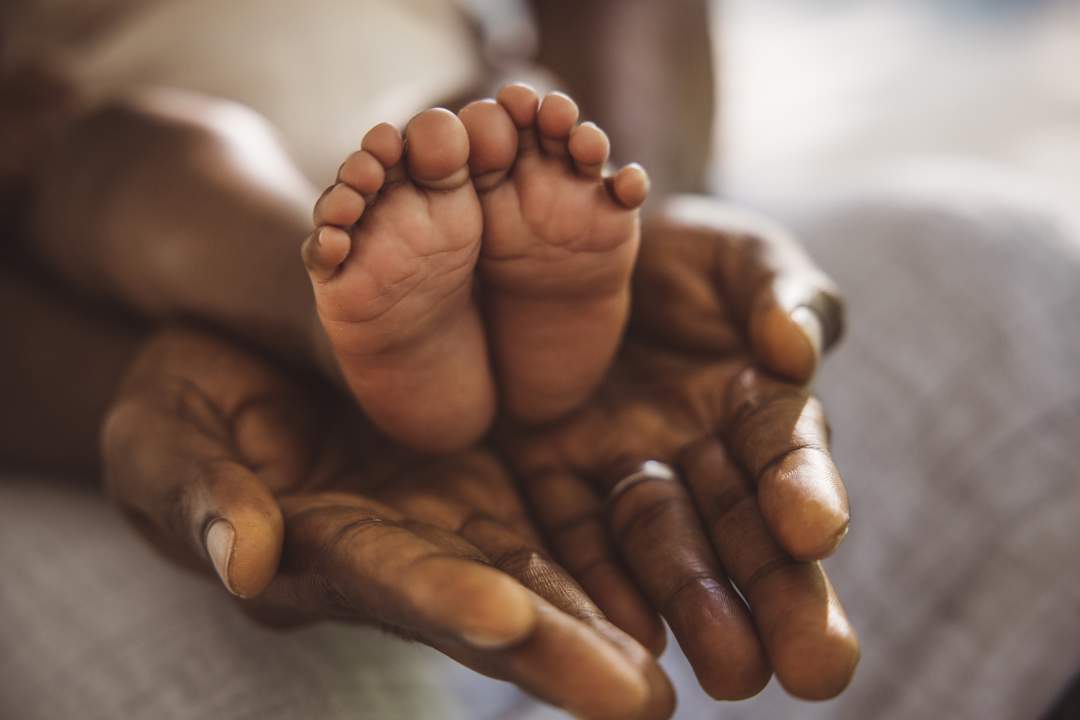
Image Source: News24
A name is a primary source of identity. Across Africa, people value being recognized by their names because they give careful thought to the names they choose.
African names carry deep significance, often rooted in culture, ancestral history, the circumstances surrounding a child’s birth, and spiritual beliefs. Long before a child is born, parents go to great lengths to select an appropriate name. In some cases, grandparents and relatives also give additional names in addition to the one chosen by the parents. It is widely believed that a child’s name at birth can influence behavior and shape future circumstances.
In South Africa, as in many other African cultures, naming is often patrilineal, with the responsibility traditionally falling on the father or his family. This is regarded as an important cultural practice. In Zulu, Xhosa, Sotho, Tswana, and many other cultures, given names often reflect people, events, or circumstances that were relevant at the time of the child’s birth. For example, Sesotho and Xhosa families may name a child Kgomotso or Pumza (meaning “comfort”) if the child is born shortly after a death or tragedy. People’s names commonly signify the tribe to which they belong in South Africa.”
Many traditional and Indigenous African names are also unisex. Names like Tshepiso (Setswana) and Rendani (Venda) can be given to both males and females.
In many South African cultures, naming is an intentional act. A child’s name may reflect the emotional state of the parents or the hopes the family holds for the child’s future. Names may also be shaped by experiences of struggle or historical realities. For instance, during the apartheid era, many Black South Africans were required to adopt English names. This was often because their traditional names were considered difficult for colonial administrators to pronounce, or such names were assigned during school registration and in colonial institutions. While many people have since reverted to their traditional names, it is still common to find English names used as middle names.
During apartheid, naming was a way to express hope, resilience, and a belief in eventual freedom from oppression. Families chose names that reflected these aspirations and reinforced their determination.
Today, many of these names remain widely used, preserving historical consciousness while reinforcing themes of perseverance, faith, and renewal. In this way, names serve as both a reminder and a defiance, a refusal to let history erase identity.
Below are 30 Popular Black South African Names, their origin and meaning.
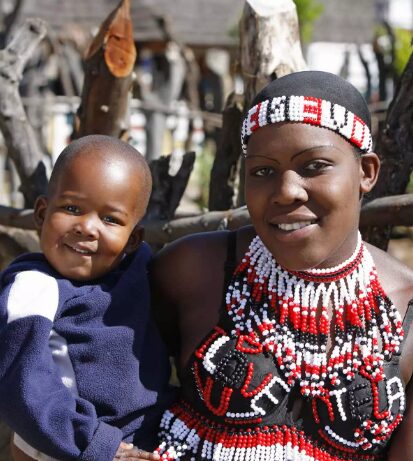
Image Source: iStock
| Name | Origin | Meaning |
| Amahle | Zulu | The Beautiful One |
| Andile | Zulu, Xhosa, Ndebele | They have increased |
| Asemahle | Xhosa | They are beautiful |
| Ayabonga | Zulu | They are thankful |
| Ayanda | Zulu, Xhosa, Ndebele | They are increasing |
| Bandile | Zulu, Xhosa, Ndebele | They have increased |
| Banele | Zulu, Xhosa, Ndebele, Swazi | It is enough |
| Buhle | Xhosa, Ndebele | Beautiful, handsome |
| Busisiwe | Zulu, Xhosa | Blessed |
| Dumisani | Zulu, Ndebele | Praise |
| Enzokuhle | Xhosa, Zulu, Ndebele | To do good |
| Gugulethu | Xhosa, Zulu, Ndebele | Our treasure, our pride |
| Hlengiwe | Zulu, Xhosa, Ndebele | Helped, redeemed |
| Jabulani | Zulu, Ndebele | Rejoice, be happy |
| Jabulile | Zulu | We have rejoiced |
| Langelihle | Zulu | Beautiful day |
| Lethokuhle | Xhosa, Zulu | Bring goodness |
| Lindiwe | Zulu, Xhosa, Ndebele | Waited for, awaited |
| Lethabo | Sotho, Tswana | Joy |
| Lubanzi | Xhosa, Zulu | It is wide (love is wide) |
| Lungile | Zulu, Ndebele | Correct, right, good |
| Melokuhle | Zulu, Xhosa (Nguni) | Stand for good |
| Mandlenkosi | Zulu, Ndebele | Strength of the king |
| Nkosana/Nkosazana | Xhosa | Prince/Princess |
| Nkosinathi | Zulu | The king is with us |
| Nomusa | Ndebele | Merciful |
| Nonkululeko | Zulu, Xhosa | Freedom |
| Okuhle | Zulu, Xhosa | That which is good |
| Sandile | Zulu, Xhosa, Ndebele | We increased |
| Thando | Xhosa, Zulu, Ndebele | Love |
A name in South Africa or any other African country is never empty. Each name carries with it the culture and race of a people. It also bears the hope, aspiration, and expectation of both the name-giver and bearer. It continues to carry a message through life, reinforcing a legacy passed on to future generations.
In these 30 names, we find the rich history of a people who have endured, celebrated, believed, and continued to live their history through the many generations that followed.

Okechukwu Nzeribe works with the Onitsha Chamber of Commerce, in Anambra State, Nigeria, and loves unveiling the richness of African cultures. okechukwu.onicima@gmail.com