Source – Instagram / dunzbillions
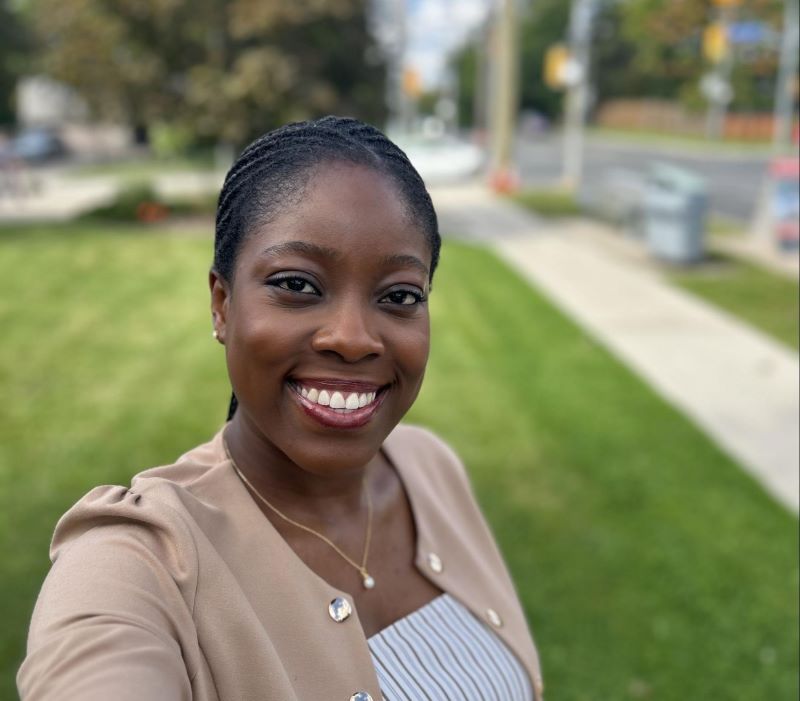
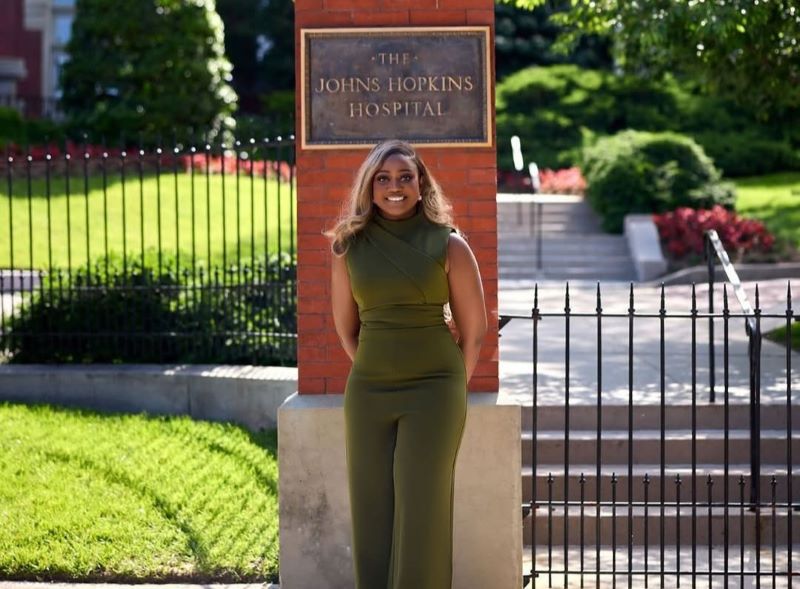
Most Nigerians japa once and spend years figuring out if it was worth it. She did it twice. With a permanent residency visa, she landed in Canada in 2022, carrying the invisible weight so many migrants know too well: expectations, sacrifice, and the quiet fear of starting over. But Canada was only the first chapter. When most people would have settled into the stability they fought so hard to build, she did it again: she moved to the United States to pursue her dual MPH/MBA at Johns Hopkins University.
What Omodunni shares is beyond a migration story; it is the story of a woman who kept choosing herself. She opens up about what both relocations truly cost her. Her journey captures the quiet determination of so many Nigerians rewriting their futures, even if it means starting over again, and again.
What were you most excited about when you relocated, and what were you quietly afraid of?
I was most excited about opportunities, the possibility of accelerating my career, and making a global impact. Quietly, I was afraid of the weather changes, because Nigeria is so tropical, and I knew adjusting physically and mentally to that would be a real thing.
Was there anything about yourself you had to “unlearn” after migrating?
Yes, moving abroad forced me to unlearn a few things. One of such was over-apologizing and shrinking myself to sound “polite.” I learned that clarity is not rudeness. Another was equating titles with respect. In Nigeria, respect is often communicated through formality; abroad, respect is shown more through competence, boundaries, and follow-through.
I had to let go of waiting for permission, that habit of waiting for someone to “tell me I am ready” before I take up space. And then there was doing everything alone. I had to unlearn hyper-independence and get comfortable asking for help, referrals, and guidance. I also had to unlearn tying my worth to productivity. In a new environment, you can overwork trying to prove you belong; I had to learn balance and self-trust.
What was it like actually living in a new country? Did you experience any culture shocks?
Living in a new country came with a lot of nuances, new ways of living, and learning the systems for banking, schooling, and even socializing. I definitely experienced culture shocks, like having to address people by their first names, without Mr., Mrs., or Miss. That felt so unnatural at first because of how we are raised to respect and adhere to hierarchy.
What is something about living abroad that people rarely talk about, but should?
Two things. First: loneliness, especially if you are single. People don’t talk about how quiet life can get when you are building from scratch without your community. Second: it takes time to settle in, but people rush because they want to prove relocating wasn’t a bad decision, so they pressure themselves to make it look like everything is perfect immediately.
Did relocating affect your mental health, especially in the early stages?
Maybe not in the sense of a major mental health crisis, but it came with many lonely days, and I deeply missed family back home. There were moments when it felt like you were doing life on hard mode, a new environment, new responsibilities, and no familiar comfort.
Discover More Migrant Stories of other Africans abroad.
What was the most humbling experience in your first year abroad?
Finding a job and learning how to translate my skills to recruiters here. Even the “language” used to describe my role was different from what I was used to back home, so it was not just about competence; it was about learning to communicate my value the way the system understands.
Was there a moment you questioned whether relocating was the right decision? What kept you going?
For me, there wasn’t a moment I questioned whether relocating was for me. There were tough days, though; recruiting in corporate America is not for the weak. What kept me going was my resilience and determination. I reminded myself: “I did not come this far to stop now.”
What is the hardest lesson you have learned about money? What financial mistake did you make early on?
The hardest lesson I learned is that abroad, money can disappear quietly through systems and small recurring costs, subscriptions, insurance, taxes, interest rates, convenience spending, things that do not feel big until they add up.
One early mistake I made was underestimating the full cost of settling, not just rent, but deposits, furniture, transportation, and emergencies. I learned quickly that in a new country, cash flow matters, and you need a buffer because surprises will come. That lesson taught me to budget more intentionally and build an emergency fund like it is non-negotiable.
Did you ever feel overqualified, underestimated, or invisible at work because you were an immigrant?
Yes, sometimes, especially early on. I do not always think it is intentional, but there are moments where your experience is not immediately recognized because it didn’t happen in their system. I have had to learn to advocate for myself, communicate impact clearly, and let my work speak for itself consistently. Over time, I have realized visibility is not automatically given; you often have to be strategic about owning your narrative.
Many people ‘japa’ once, but you have done it twice, Canada, then the U.S. Why, and how did you navigate starting over again?
I relocated to Canada as a permanent resident, then to the U.S. for my MPH/MBA dual degree at Johns Hopkins, one of America’s most prestigious institutions. Both moves were expensive and happened for different reasons. I genuinely like conquering new territories, so when I was done in Canada, I wanted an American degree and the opportunities that come with it.
And honestly, starting over again has a cost, financial and emotional, but I navigated it by staying focused on the long-term vision and treating each move like a strategic investment.
What is the advice you wish someone had given you before you relocated, but no one did?
It is going to be tough, and that’s the truth, but it will be worth it. Also, do not romanticize the move. Prepare, plan, and understand that your first year is about building, not perfection.
For the young Nigerian woman considering moving abroad, what is one lifestyle habit she should start building before she leaves?
Be grounded in your values and build the habit of regularly checking in with yourself. Do not lose yourself trying to “fit in” or prove something. Keep a routine that anchors you: journaling, prayer/meditation, movement, and staying connected to people who remind you who you are. And learn to enjoy your own company, because solitude is part of this journey.
Looking at your life now, is it everything you thought it would be when you were leaving Nigeria?
Interestingly, even with the challenges along the way, it’s been worth it. It has given me career acceleration, growth, and expansion, and it has stretched me into a version of myself I am proud of.
What would you tell Nigerians who think moving abroad will instantly fix their lives?
Moving abroad does not fix your life; it exposes you. It amplifies what you already are. If you are disciplined, it rewards you. If you are not, it can overwhelm you. The environment helps, but you still have to do the work.
Do you ever see yourself returning to Nigeria permanently?
It is an idea I play with from time to time, returning home at some point. It is definitely not out of the equation for me.
“These stories are based on real-life experiences. Some contributors have chosen to remain anonymous due to privacy and sensitive circumstances. We respect their choice to remain anonymous.”
Interested in sharing your Abroad Life experience? You can reach me here.