

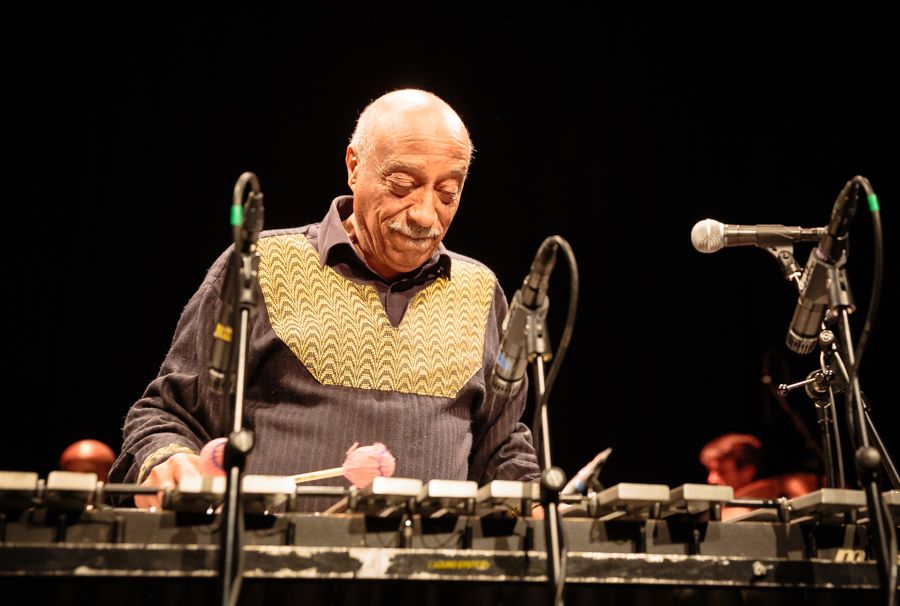
Mulatu Astatke in a performance in Rome, 2009. Credit: LPLT, CC BY-SA 3.0, via Wikimedia Commons
By January 2026, the global conversation around African music had shifted from discovery to a rigorous focus on preservation and justice. For the African American community and the African diaspora, they are cultural documents that bridge a gap created by years of systemic exclusion in the music industry. The momentum in 2026 is driven by a sophisticated audience that demands more than just a digital file. Readers now seek the musicians’ stories, the recordings’ political context, and proof that the financial benefits are returning to the original creators or their estates.
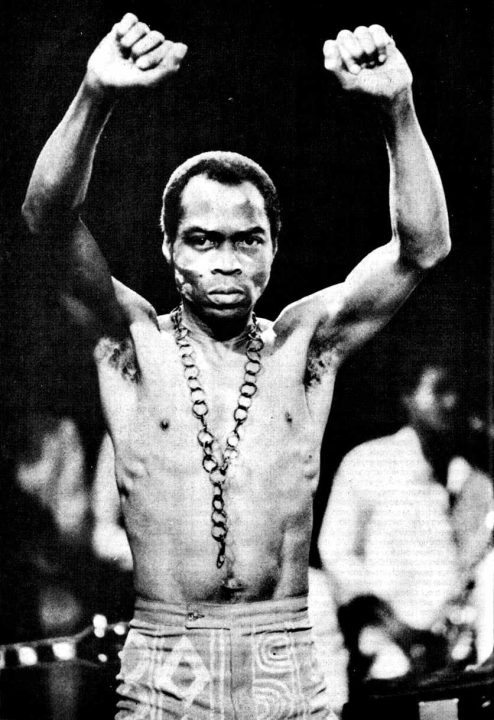
The current momentum is also fueled by the 50th anniversaries of some of the most influential albums in history. For example, 2026 is the 50th anniversary of Fela Kuti’s Zombie, an album that redefined the intersection of jazz and political rebellion.
This year is unique because of the convergence of three factors. First, the 50-year copyright window for many landmark 1970s recordings is closing, prompting a rush of legitimate reissues. Second, there is renewed interest in “sonic repatriation,” in which archives stored in Europe are being digitized and shared with their home countries. Third, the quality of audio restoration has reached a level where recordings once thought lost to tape hiss and humidity are sounding as clear as modern studio sessions.
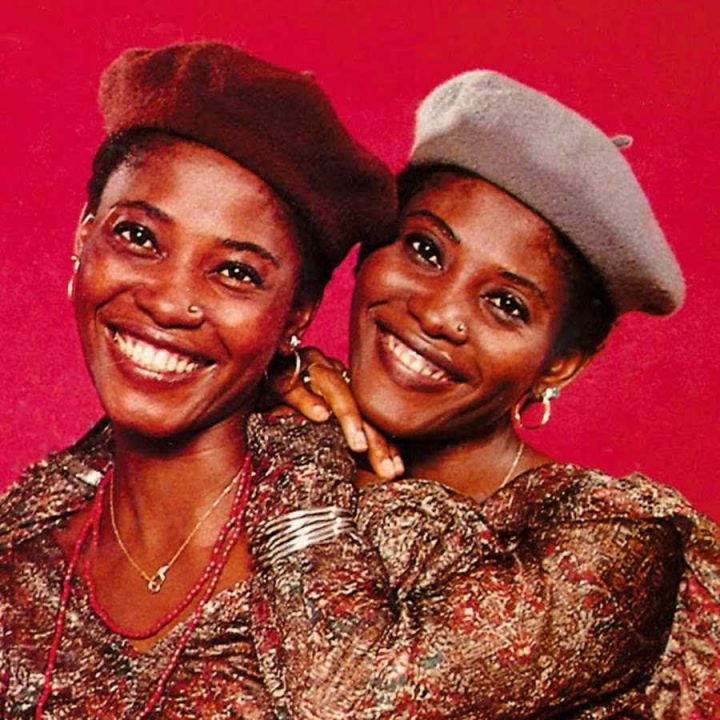
The Lijadu Sisters
The most significant multi-year project currently active is Numero Group’s exhaustive campaign for the Lijadu Sisters. Taiwo and Kehinde Lijadu, the identical twins of Nigerian afro-fusion, were often exploited by the industry in the 1970s. Their music, which blended Yoruba vocal harmonies with psychedelic jazz and disco, has finally been reclaimed through a legitimate partnership with the surviving sister, Taiwo.
Source: The Lijadu Sisters – YouTube
The campaign began in late 2024 with the reissue of Horizon Unlimited. In 2025, the label released the remaster of Danger (originally 1976), and as we move into 2026, the focus has shifted to unearthing rare 7-inch singles and previously unreleased promos.
“We are thrilled to introduce a new generation to the music of the Lijadu Sisters,” a Numero Group representative stated during the campaign launch.
These reissues are essential because they provide bilingual lyrics and detailed session credits that were missing from original pressings. You can find their official catalog on the Numero Group Bandcamp.
Mulatu Astatke and Beyond
Strut Records remains the primary custodian of the Ethio-jazz legacy. In late 2025, they released the studio album Mulatu Plays Mulatu, featuring the “Father of Ethio-jazz” reinventing his classic pentatonic compositions with his UK ensemble and Addis-based traditional musicians.
Source: Mulatu Astatke – Wikipedia
The highlight for early 2026 is the release of Tezeta – Live From RAK Studios on January 14, 2026. This recording captures Astatke in peak form, recorded during his 2024 London residency. Ethio-jazz is unique because it bridges the gap between ancient Ethiopian scales and modern jazz improvisation.
“Ethio-jazz brings us together and makes us one,” Mulatu Astatke frequently reminds his audiences.
For the serious collector, these Strut releases offer a level of audio fidelity that was impossible during the original 1970s recordings in Addis Ababa. Visit the Strut Records official store for the latest release schedules.
Fela Kuti and the Afrobeat Legacy
Partisan Records has perfected the art of the 50th-anniversary box set. Their collaboration with the Kuti estate has resulted in definitive versions of Fela’s 1970s output. In 2026, the spotlight falls on the mid-70s era where Fela’s compositions became longer and more jazz-focused, featuring the intricate drumming of Tony Allen.
Source: Fela Kuti – Wikipedia
These reissues are critical because they include historical essays that place the music in the context of the Kalakuta Republic. They serve as a roadmap for understanding how African jazz functioned as a tool for civic resistance. You can explore the full archive at FelaKuti.com.
The Ethics of the Archive
When evaluating a reissue in 2026, you must look for the “Mastering Provenance.” This refers to the history of the audio source. A high-quality reissue will explicitly state that it was “remastered from original analog tapes.”
Analog Africa, led by founder Samy Ben Redjeb, has set the ethical standard. Ben Redjeb is known for traveling to countries like Benin, Zimbabwe, and Angola to sign contracts directly with the artists or their descendants.
“Every record is a friendship,” Ben Redjeb often says, emphasizing that archival work is a human endeavor, not just a business transaction.
As a consumer, you should look for the name Michael Graves in the credits. Graves is a multi-Grammy-winning engineer at Osiris Studio who specializes in restoring delicate archival tapes for labels like Numero Group and Analog Africa. If a release does not credit a mastering engineer or mention the source of the audio, it may be a “grey market” bootleg that does not pay the artist.
Where to Buy and How to Collect
In 2026, the market for African jazz vinyl is competitive. Original pressings from the 1970s often fetch thousands of dollars on Discogs, but modern reissues are frequently superior in sound quality.
- Bandcamp: This is the most direct way to support the movement. Buy from the Analog Africa Bandcamp or Awesome Tapes from Africa.
- Independent Record Stores: Many 2026 archival releases are distributed through Record Store Day (RSD) networks. Seek out Black-owned shops like Rough Trade or local boutiques in cultural hubs like Johannesburg or Lagos.
- Discogs: Use this platform to research labels. If a label has a history of “unauthorized” releases, avoid them. Stick to established names like Soundway Records, Strut, and Numero Group.
Evaluation Checklist for Collectors
- Check for “Authorized” Labels: Does the packaging include a logo from the artist’s estate?
- Examine the Liner Notes: Are there new interviews, archival photos, and bilingual translations?
- Identify the Mastering Source: Is there a mention of “Original Master Tapes” or a recognized engineer like Michael Graves?
- Verify the Barcode: Use a phone app to ensure the product links back to a legitimate distributor.
2026 Festival and Event Spotlights
Archival jazz is no longer confined to the turntable. 2026 features several major events where these historical sounds are performed live.
Cape Town International Jazz Festival (March 27-28, 2026)
This festival is celebrating its 23rd edition with a focus on South African jazz history. Highlighting the lineup is Nduduzo Makhathini, whose project An Ongoing Rehearsal explores the spiritual roots of African jazz. The festival also features a “Legacy Stage” dedicated to the sounds of Township Jazz and the Blue Notes era.
EFG London Jazz Festival (November 13-22, 2026)
The London festival remains a global leader in archival spotlights. For 2026, they have announced a special retrospective on West African Highlife-Jazz, featuring legends like Ebo Taylor performing alongside modern Afrobeat ensembles.

Anand Subramanian is a freelance photographer and content writer based out of Tamil Nadu, India. Having a background in Engineering always made him curious about life on the other side of the spectrum. He leapt forward towards the Photography life and never looked back. Specializing in Documentary and Portrait photography gave him an up-close and personal view into the complexities of human beings and those experiences helped him branch out from visual to words. Today he is mentoring passionate photographers and writing about the different dimensions of the art world.