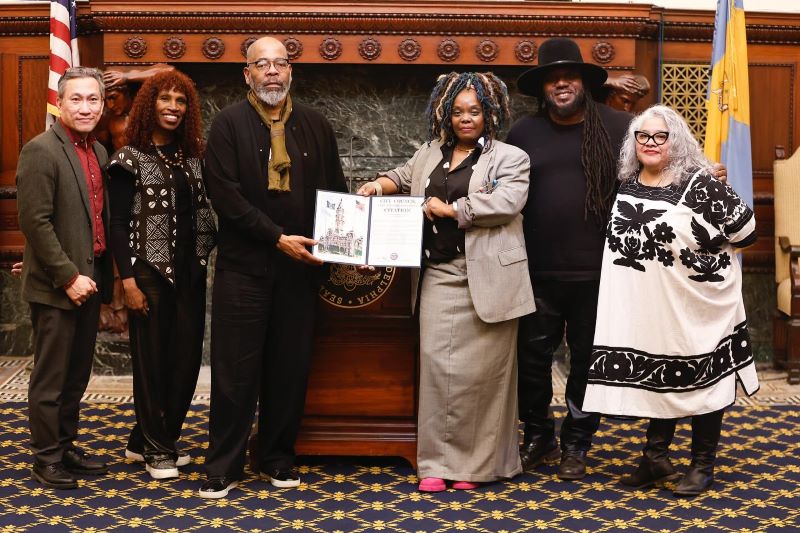
Vashti Dubois being awarded by the City of Philadelphia in April, 2025.
Instagram | The Colored Girls Museum, Photograph by Zamani Feelings
Vashti Dubois and the establishment of The Colored Girls Museum (TCGM) were always destined to be a partnership that worked. As a Black woman whose work focused strongly on issues impacting girls and women of color, Vashti Dubois had invested a large portion of her career in non-profit and art organizations such as the Congreso Girls Center, the Children’s Art Carnival in New York City, the historic Church of the Advocate, the Free Library of Philadelphia, The Leeway Foundation, and Tree House Books, amongst others.
Her founding of the TCGM was targeted at “honouring the experiences and history of Colored Girls throughout the African Diaspora”. Founded in 2015, TCGM is a cultural institution that projects the stories and history of the “ordinary colored girl of African descent,” whose stories have remained largely hidden but whose past lifestyles have portrayed one of inventiveness, hard work, resilience, and a commitment to provide comfort and wealth to their loved ones.
As a graduate of Wesleyan University and as well as a NAMAC Fellow, Vashti Dubois is continually leveraging TCGM to “transform ordinary spaces around the country into Colored Girls Museum outposts that collect, archive, and share the stories of indigenous Colored Girls.”
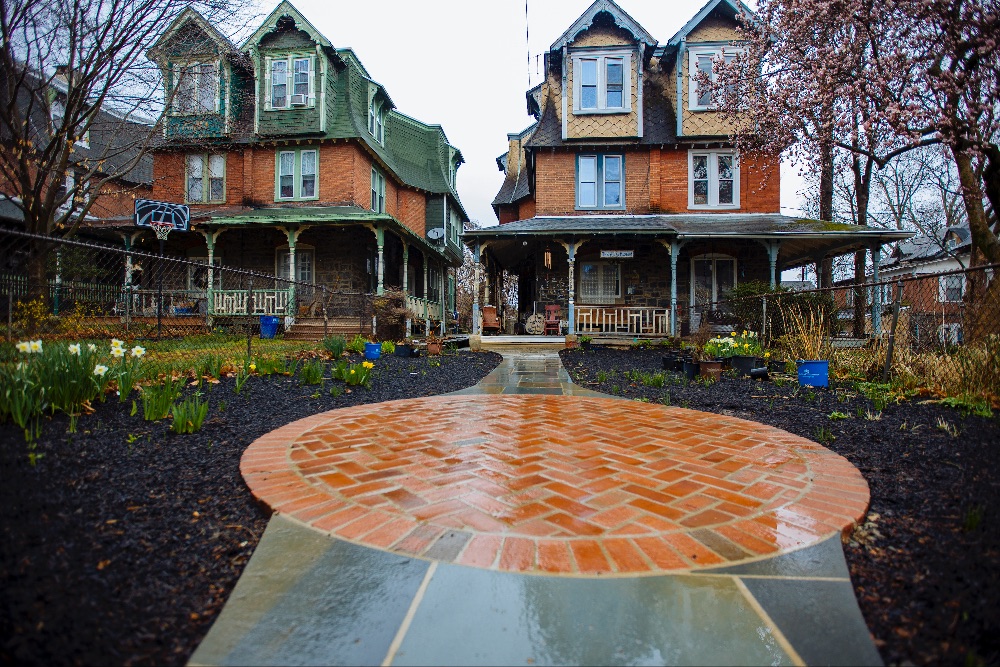
Facebook | The Colored Girls Museum
Telling the Stories of Black Women
Vashti Dubois’s approach is simple yet profound. Not only did she create a “memoir museum”, where items that hold special connections to the lives and history of Colored Girls are collected, preserved, and honored, but the institution also gives these women a voice that ordinarily was overlooked in society.
Items such as a cookbook, a hair comb, a child’s toy, and a photograph become artefacts that tell a story of the struggle, victories, challenges, and opportunities experienced and overcome by simple yet remarkable immigrant African women.
A story that becomes easily identifiable for every Black woman in Philadelphia, whose everyday effort may go unnoticed, does hold a well of experience that acknowledges the efforts of remarkable Black women whose everyday labor of love and commitment has continually sustained their families and built their communities.
Cultivating Sisterhood and Resilience Among Philadelphia’s Black Women
Vashti Dubois’ drive to create a platform for the unheard through the TCGM was successful because it not only provided a platform that honored the history of the ordinary Colored Girl of African descent, but also offered identifiable experiences for all women of color who not only found meaning in the everyday lives of these unheard women, but also felt a shared kinship with them.
Therein lies an opportunity for Black women in Philadelphia to begin seeking and creating platforms that not only afford them the avenue to network and create opportunities but also help them find validation with others who identify and can easily relate to the everyday socio-economic issues they are confronted with and have to deal with.
Sisterhood as a concept relates to the bond of being related to a sister, but in this case, it refers to the bond that is built on shared identity, hopes, and dreams of women, especially Black women.
As pointed out in an article by Rapha Training and Therapy Services titled – The Origins of Sisterhood and How It Builds Cohesion Amongst Black Women, “Sisterhood is a powerful force that has played an integral role in the lives of women throughout history. It is a bond that transcends bloodlines, connecting women through shared experiences, support, and empowerment. Among Black women, sisterhood takes on a special significance as it has been a source of strength, resilience, and unity.”
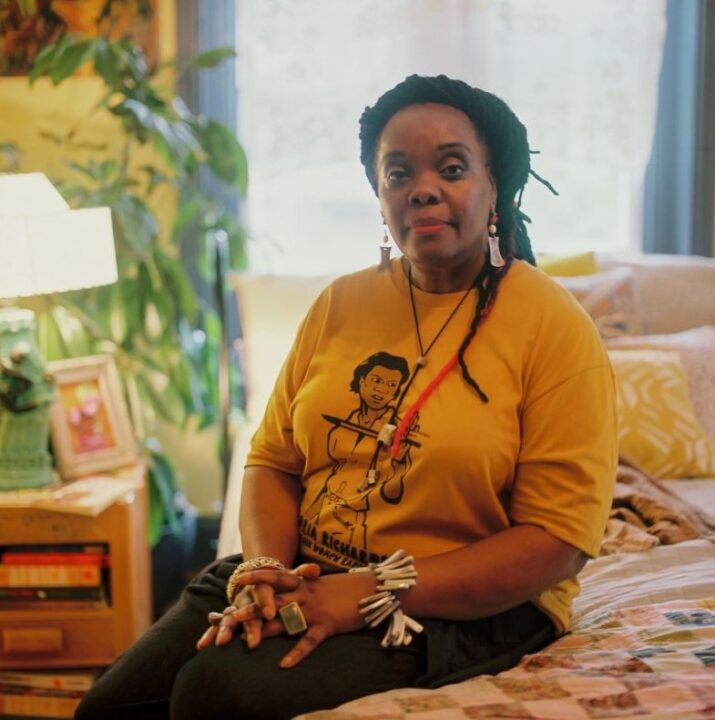
Image: Black Feminists Taught Me
Finding common ground through identifying with each other, Philadelphia’s Black women can create an intentional act of community care that provides a physical space for Black women in Philadelphia to heal, connect, and be affirmed. Such a community dismantles the isolation that can accompany personal struggle by revealing a shared narrative of endurance and grace from diverse women who support each other with the necessary tools.
These communities can also be the very foundation of resilience, offering the quiet understanding that one’s ability to persevere is not an anomaly but a shared experience with fellow Black women who have not only endured but have gone ahead to overcome and made a way out of no way.
Cultivating such sisterhood among Black women can also foster empowerment and unity through the creation of safe spaces. These spaces can become launchpads to explore collective actions against racism, sexism, domestic violence, and other forms of discrimination experienced or targeted at Black women within such spaces, with an effort at driving meaningful social change within communities. This not only deepens resilience among Black women but also ensures the notion of victimhood is gradually eradicated.
Mentorship by older generations of Black women is also a great benefit to this community of sisters. Passing down crucial wisdom and knowledge across ages can inspire and guide younger women, helping them navigate the complexities of life and womanhood.
By uplifting one another, sharing experiences, working together, and learning to leverage their platform to give voice to the unheard, just as Vashti Dubois did with TCGM, Black women cultivate resilience, confidence, and leadership, reinforcing a transformative network of support that enhances both personal growth and collective progress in the face of societal challenges.

Okechukwu Nzeribe works with the Onitsha Chamber of Commerce, in Anambra State, Nigeria, and loves unveiling the richness of African cultures. okechukwu.onicima@gmail.com