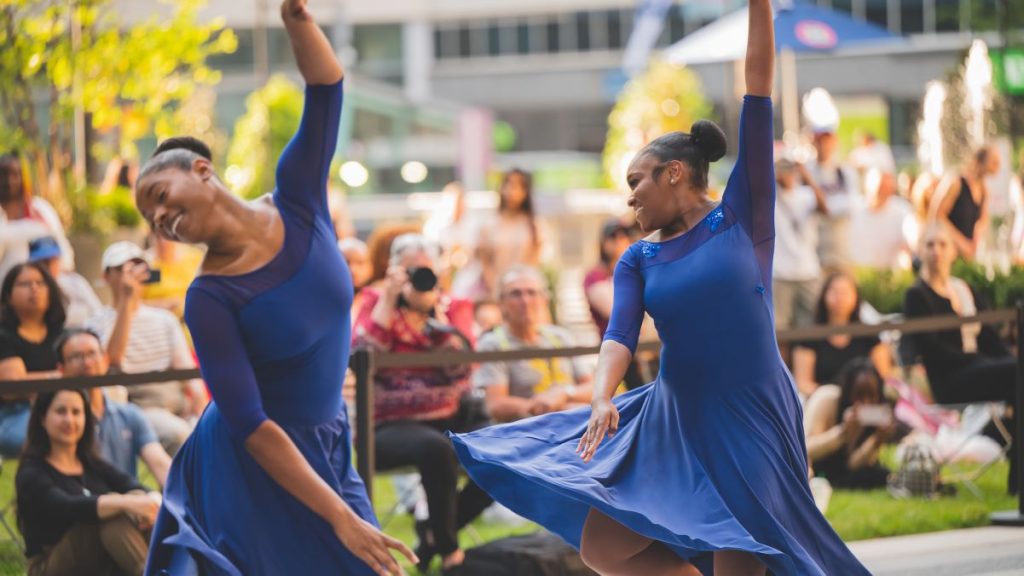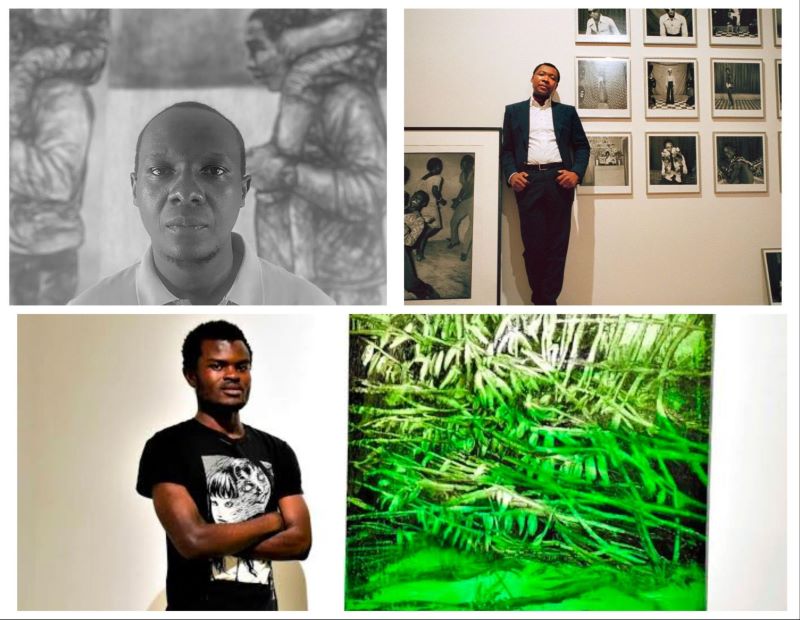

Photo source: Instagram / Pan African Heritage Museum
When we talk of cultural heritage, Africa is so rich with different cultures, languages, art, music, and cuisine, all shaped by thousands of years of history, traditions, and customs. This cultural heritage is increasingly recognized as a valuable economic asset.
In 2020, a UNESCO report found that it had less than 1 percent of the world’s 95,000 museums. Part of the problem is that Africa does not own many of its own artefacts. For decades, many of Africa’s most celebrated treasures resided not on the continent, but in cages and glass boxes of prominent museums in Europe and other continents. This was a result of colonialism, which stripped the continent of masks, bronzes, manuscripts, textiles, and other items shipped overseas.
In 2018, a report commissioned by French President Emmanuel Macron estimated that 90 percent of the continent’s art, including statues, thrones, and manuscripts, is outside of Africa.
Reclaiming Looted Artefacts
Over the years, there has been a major shift as these looted artefacts are beginning to find their way back home. From the Benin Bronzes to Ethiopian manuscripts in foreign lands, African nations have been demanding their treasures back.
The pressure from African governments and activists, and a mounting sense of accountability for colonial-era injustices, have played a major role in the repatriation of African artefacts.
In 2019, the Sword of El Hadj Omar Tall was returned to Dakar, Senegal, by the French. In January 2023, an ancient wooden sarcophagus called the Green Coffin was returned to Egypt from the Houston Museum of Natural Sciences in the US. Recent returns like Germany’s handover of Benin Bronzes to Nigeria signal a turning point.
However, some of these artefacts are still being held in foreign lands. The British Museum in London has refused to return the bronzes, claiming it is restricted from handing over the items due to the British Museum Act 1963, which bans restitution.
The Bangwa Queen, a revered wooden sculpture from the Bangwa people of Cameroon, is still in the possession of the Dapper Foundation in Paris. It was previously displayed at the Musée Dapper until the museum’s closure in 2017. Since then, the foundation has retained the piece and continues to exhibit it internationally.
Despite calls from Egypt for its return, the Bust of Nefertiti, one of the world’s most iconic artefacts, has remained in Germany, now on permanent display at the Neues Museum.
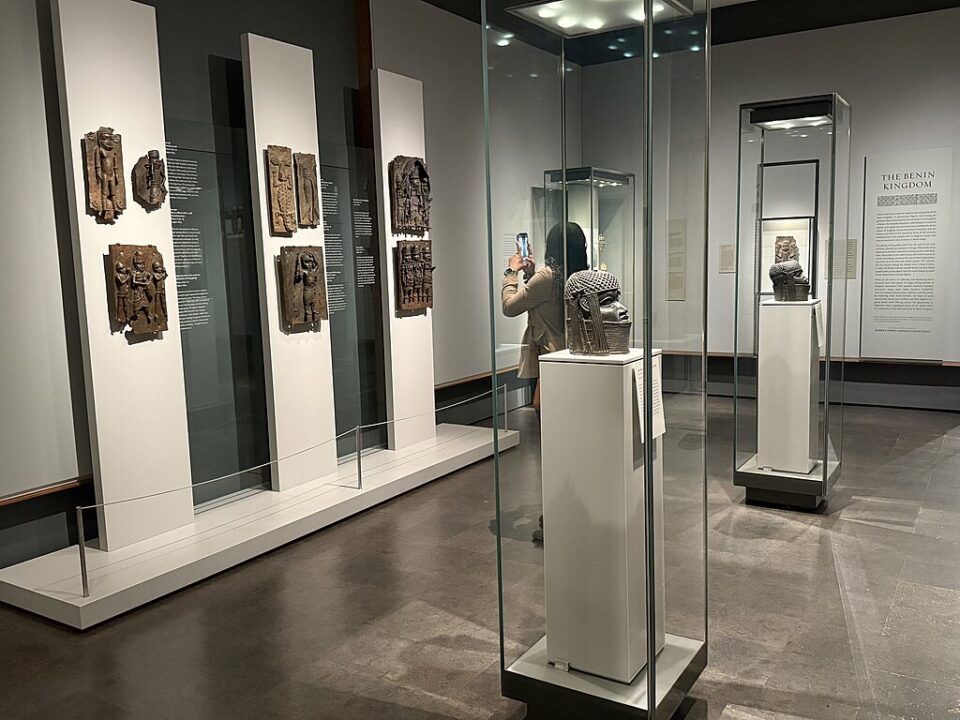
Photo source: ArnoldReinhold, via Wikimedia Commons
Changing Role of Museums in Africa and the Promotion of Cultural Heritage
Across Africa, museums are evolving and actively reclaiming the narratives that have been told through colonial lenses for centuries. Museums, as cultural institutions, are beginning to serve as vital bridges connecting Africans with the global Black diaspora while also redefining what it means to protect and promote cultural heritage in the 21st century.
In the past, museums in Africa were seen as a foreign establishment whose visitors were the few elite or White people intrigued by artefacts. All of this is changing with a surge in new museum initiatives across Africa, followed by a global interest in African collections.
African museums are no longer just passive repositories of the past. They are beginning to take Africa’s needs into account, playing the role of both custodians of National Heritage and forums for cultural development and exchange.
Serving as educational platforms: Most African museums aren’t just places for looking at old things from the times of our ancestors. They are becoming the new classrooms, where, instead of just learning from books, primary, secondary, and college students visit museums for lectures and hands-on activities. Through the tools and materials housed in their collections, they expose children and the general public to their history and culture. This makes learning more engaging and accessible for everyone.
For instance, the Mohamed VI Museum of Modern and Contemporary Art in Morocco and many of the museums in South Africa offer educational programs. The National Museum of Mali hosts workshops, lectures, and cultural events, providing a platform for artists and cultural practitioners to share their knowledge and skills with the community.
Custodians of the continent’s heritage: Many African museums play the role of custodians of both cultural and natural heritage. The continent’s cultural heritage isn’t just about artefacts encased in glass; it’s about the stories, traditions, and art that form the foundation of our identity today.
These museums not only house a range of unique attractions from ancient artefacts, historical exhibits, to contemporary art and cultural performances, but they also offer a captivating blend of history and nature, highlighting common cultural elements, celebrating cultural diversity, facilitating dialogues, involving local communities, and preserving indigenous languages.
Those who pay a visit to the museums can learn about the history and traditions of different African communities. For example, those who visit the National Museum of Ghana can try out traditional musical instruments to learn their cultural importance. Another example is the Musée National Boubou Hama in Niger. Instead of just showcasing old things in glass cases, it tells the story of Niger’s history, offering the true side of the country’s rich heritage.
Bridging the gap: Across Africa, museums are connecting with Black people around the world. They are helping to bridge the gap between continents by becoming places for cultural exchange. They are acting as a link between the African continent and its descendants across the globe. Some have introduced exhibitions specifically curated for diaspora audiences. The Pan African Heritage Museum in Accra, Ghana, aims to bridge the gap between Africa and its diaspora.
The Cape Coast Castle Museum in Ghana tells the story of the transatlantic slave trade. The display of shackles, personal artifacts of enslaved Africans, and the infamous “Door of No Return” help us remember the suffering our ancestors endured. For diaspora visitors, it is an emotional journey that helps them feel a stronger connection to their African roots and their ancestors.
The Zeitz Museum of Contemporary Art Africa in South Africa serves as a major platform for promoting dialogue and understanding between different cultures by featuring works from across the African continent and its diaspora.
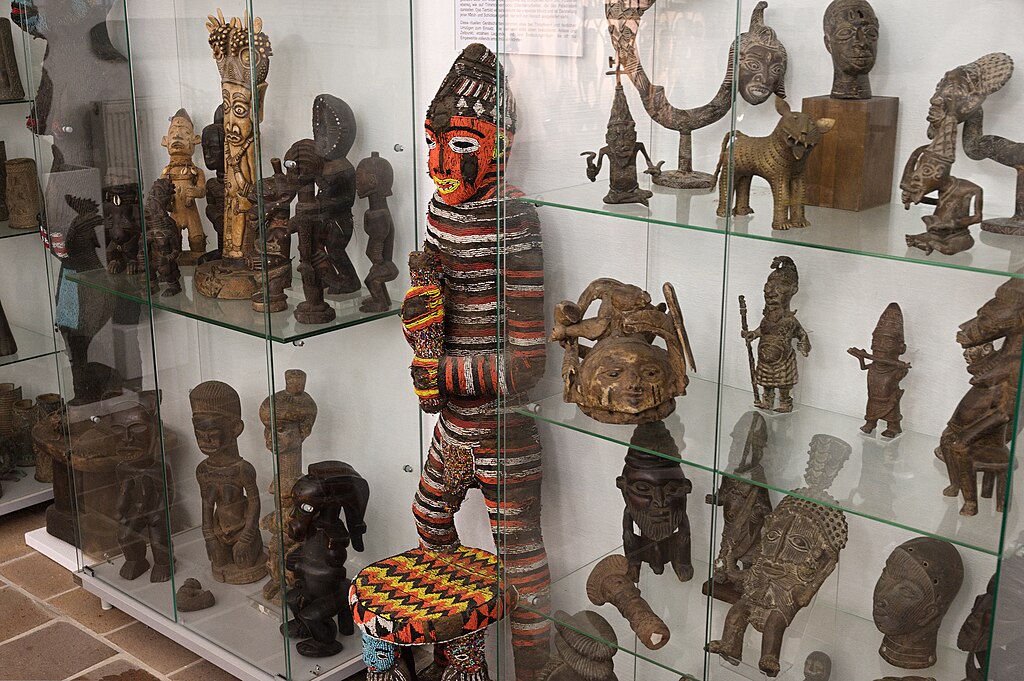
Photo source: Zde, via Wikimedia Commons
Utilizing technology: There is no arguing that technology has become an essential tool for modern African museums. In today’s technology-driven world, African museums are embracing tools like virtual reality (VR), augmented reality (AR), 3D printing, and digital platforms, changing how they operate. Making use of these helps museums create a more interactive and memorable journey for every visitor.
For example, the Zeitz Museum of Contemporary Art Africa in South Africa created an innovative digital platform. It offers virtual tours of its exhibitions, which allow people from around the world to explore its collections. Its interactive installations, soundscapes, and information about the artwork on display also allow visitors to engage with African art in a more immersive and interactive way.
Supporting local artists and youth: Museums across Africa are fast becoming art studios for new and young artists from the community, giving them a platform and a place to grow their talents. The Marrakech Museum for Photography and Visual Art often hosts indigenous artists, giving them space to create and exhibit their work. The Musée National du Cameroun often showcases the craftsmanship of local communities by dedicating specific sections or entire museums to their work and preserving these indigenous arts and traditions for future generations.
Serving other social roles and functions: Museums in Africa have gone beyond simply displaying artefacts for visitors to admire from a distance. They now serve as spaces where people can discuss ideas, debate topics, and connect. This means they are no longer just focused on their collections, but also committed to connecting with locals while serving the needs and interests of the community.
It is clear that modern African museums are not just sitting back and watching while the continent’s history is being told and curated by foreigners. These museums are starting to play a crucial role as centres of research, education, and exhibition, while also inspiring future generations to take pride in their roots. They are helping Black people everywhere reclaim their stories and celebrate the richness of a heritage too valuable to be forgotten.
This shift has had a powerful impact, helping Black people everywhere reclaim their stories and celebrate a cultural heritage that is too rich and diverse to be forgotten.