
Solasly, CC BY-SA 4.0, via Wikimedia Commons
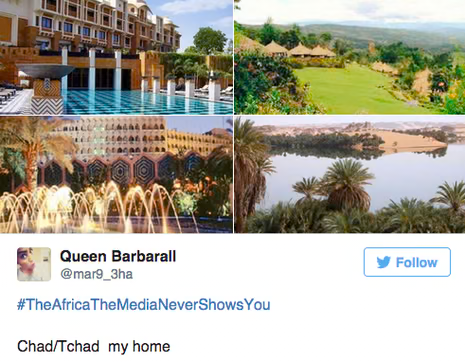
Back in 2015, something pretty remarkable happened on Twitter. A hashtag started trending that would fundamentally shift how Africa was talked about online and it wasn’t started by some big media company or government agency. It came from ordinary Africans who were simply fed up.
Source: The Africa the media never shows you – in pictures | Working in development | The Guardian
#TheAfricaTheMediaNeverShowsYou wasn’t just another social media moment. It became a full-blown movement that’s still making waves today, ten years later.
When Frustration Turned Into Action
Diana Salah, one of the people behind the hashtag, put it perfectly: “I got involved because growing up; I was made to feel ashamed of my homeland, with negative images that paint Africa as a desolate continent”. If you’re African or African American, you probably know exactly what she’s talking about. Turn on the news, and what do you see? The same tired stories about war, poverty, and disease. Always the same script.
Source: iStock
The numbers tell the story of how hungry people were for change. Within just 24 hours, the hashtag had attracted over 65,000 responses. People across the continent and diaspora jumped in, ready to flip the narrative.
Showing the Africa We Actually Live In
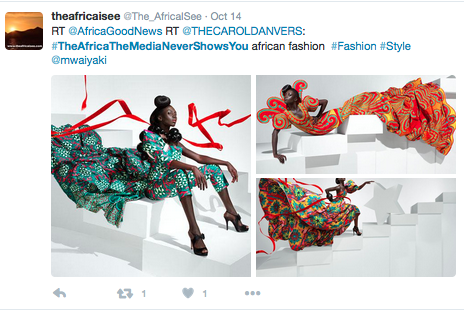
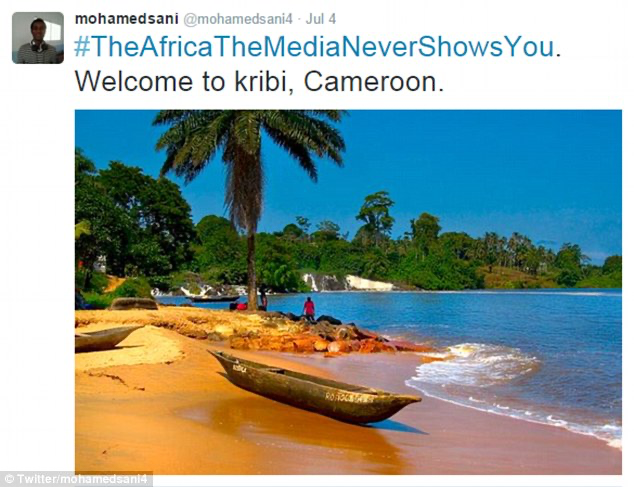
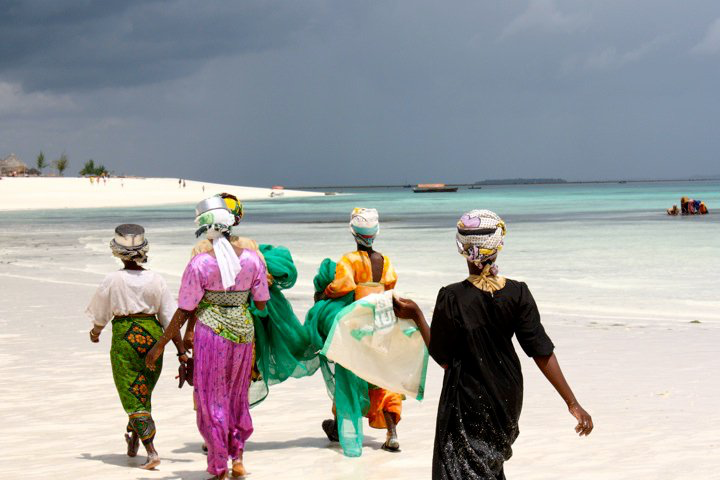
What made this movement powerful wasn’t just what people were saying, it was what they were showing. Instead of the usual doom and gloom, feeds filled up with images of gleaming skyscrapers in Lagos, bustling markets in Accra, tech hubs in Nairobi, and beautiful beaches in Cape Town. People shared photos of African fashion shows, modern universities, world-class hospitals, and yes, even Starbucks locations.
Another organizer captured the essence perfectly: “I was tired of seeing only the negative aspects of Africa portrayed in the media, those of poverty, ethnic wars, and disease. We also want to show people that Africa is not only about animals, jungles, and safaris. We have amazing skyscrapers, hotels, shopping malls, and much more”.
It wasn’t about pretending problems don’t exist. It was about showing the full picture, Africa where over a billion people live, work, dream, and build their futures.
Why This Mattered So Much
Here’s the thing that gets under your skin: most stories about African countries aren’t even written by Africans. Research shows that agencies account for almost half the stories about Africa in international media, but only 19% of those agencies are based on the continent. Think about that for a second. Non-Africans are setting the agenda and offering perspectives on African affairs most of the time.
This isn’t just an African problem either. If you’re African American, you probably recognize this pattern. Studies show that four out of five Black adults see racist or racially insensitive depictions of their race in the news either often or sometimes. And 63% say news about Black people is often more negative compared to coverage of other racial groups.
The hashtag movement said “enough.” It proved that when we control our narratives, the story changes completely.
Read also: Breaking Stereotypes: 5 Myths About Africa That Need To Die
From Classrooms to Boardrooms
The movement caught fire in unexpected places. College professors started using the hashtag in their courses, asking students to examine the tweets and identify common trends. Many students were genuinely shocked to discover that Africa had metropolitan areas—some had never imagined that places like Johannesburg or Cairo could rival major American or European cities.
Even the BBC took notice, calling Diana Salah to get her thoughts on what was happening. When major international media outlets start paying attention to a grassroots hashtag campaign, you know something significant is shifting.
Building on the Foundation
The hashtag’s success inspired more organized efforts. Annie Mutamba, who co-founded Africa Communications Week in 2017, said the turning point was the Ebola crisis, which made them think seriously about “the role of communications in Africa’s development”.
The problem, as Mutamba saw it, was that most narratives fell into two equally problematic camps: either Afro-pessimistic (everything’s terrible) or Afro-optimistic (everything’s amazing). Both approaches treated Africans “as lacking agency”, basically, as people who couldn’t speak for themselves.
Source: TheAfricaTheMediaNeverShowsYou | The Visuality of Development
Why It Still Matters Today
Ten years later, we’re still fighting the same battles. Recent research shows that over 80% of stories Africans read about other African countries are still hard news such as conflict, crisis, and catastrophe. Even African media outlets struggle to present balanced coverage of the continent.
For African Americans, this resonates deeply. Research shows that 57% feel news only covers certain segments of Black communities, compared to just 9% who say it covers a wide variety of Black people. The same narrow lens that reduces Africa to a few simplistic stories does the same thing to Black America.
But the hashtag showed us a different path. It proved that ordinary people with smartphones and social media accounts could reach global audiences and start real conversations about representation.
The Real-World Impact
Bad narratives have real consequences. Take Ebola, it was registered in only three African countries, but the entire continent got branded as a no-go area, which seriously hurt economic development across the region. When people only see negative stories about a place, they don’t visit, they don’t invest, they don’t partner.
Source: TheAfricaTheMediaNeverShowsYou sweeps across Twitter with beautiful photos | Daily Mail Online
On the flip side, platforms like Facebook’s “Everyday Africa” blog, which showcases cell phone photography from across the continent, give ordinary people space to share their daily experiences. These “positive human moments” create connections that statistics and news reports never could.
Learning From Success
The movement taught us some crucial lessons that apply way beyond Africa. First, when communities take control of their storytelling, the narrative changes dramatically. Second, social media can be a powerful tool for challenging dominant narratives, but only when used strategically and collectively.
The hashtag also showed the importance of nuance. As researchers point out, the Afro-positive turn should not be about whitewashing and romanticising Africa. It should be about challenging the simplistic nature of Afro-pessimism, through introducing multiple and complex images about the continent and its people.
Source: The Africa the Media Never Shows You – Helen in Wonderlust
The Road Ahead
We’ve seen what’s possible when people refuse to let others define them. The success of #TheAfricaThediaNeverShowsYou proved that Africans have to engage and have to produce knowledge and not be consumers. This principle applies just as much to African Americans working to expand representation in American media.
But individual tweets and posts, powerful as they are, can only do so much. Real change requires “investment in diverse, nuanced coverage” and sustained institutional support for different kinds of storytelling.
A Decade Later
Looking back, #TheAfricaTheMediaNeverShowsYou was a declaration of independence from other people’s definitions of what Africa is and who Africans are. It showed that “with social media mediums today, some odd perceptions have been addressed with immediacy”.
For young Africans and African Americans today, the message is clear: you don’t have to accept narrow, negative representations of your community. You have the tools to tell your own stories, and when you do it collectively, people listen.
The hashtag proved that “the alternative voice of Africa that showcased the continent in ways in which African people and tourists see it” could reach millions and spark genuine dialogue.
As we move forward, the challenge isn’t just about creating better content or getting more followers. It’s about building sustainable systems that support diverse voices and complex storytelling. It’s about making sure that the digital empowerment demonstrated ten years ago translates into lasting change in how African stories get told, heard, and valued around the world.
The conversation started by #TheAfricaTheMediaNerShowsYou is far from over. If anything, it’s just getting started.

Anand Subramanian is a freelance photographer and content writer based out of Tamil Nadu, India. Having a background in Engineering always made him curious about life on the other side of the spectrum. He leapt forward towards the Photography life and never looked back. Specializing in Documentary and Portrait photography gave him an up-close and personal view into the complexities of human beings and those experiences helped him branch out from visual to words. Today he is mentoring passionate photographers and writing about the different dimensions of the art world.