

Sacrifice is a word many people associate with loss, discomfort, or deprivation. Yet throughout human history, sacrifice has rarely meant mere suffering. It has meant choosing what matters most over what feels easiest. Parents deny themselves for their children, students give up leisure for learning, and communities thrive because someone decides to put the common good ahead of personal comfort. In that sense, sacrifice has always been less about losing something and more about becoming something.
This idea becomes especially visible as Christians around the world approach the Lenten season. Lent begins on Ash Wednesday and marks the forty days Jesus Christ fasted in the wilderness. The term comes from the Old English lencten, meaning “spring.” A season associated with renewal. For believers, Lent is a period of prayer, fasting, reflection, and intentional self-denial designed to prepare the heart for Easter. It is more than religious observance; it is a spiritual reset.
But Lent is often misunderstood. Many reduce it to giving up sweets, social media, or small conveniences. While those practices have value, they are not the destination. The season asks a deeper question: What controls us? Comfort, habit, pride, distraction, resentment. These are often harder to surrender than food. Lent invites believers to examine their attachments and choose discipline over impulse.
Centuries ago, North African theologian St. Augustine of Hippo explained why fasting matters spiritually. He wrote that fasting “cleanses the soul, raises the mind, and renders the heart contrite and humble.” Augustine’s point was simple but profound: sacrifice is not about punishing the body; it is about restoring order within the person. When the will learns restraint, the mind becomes clearer, and the heart becomes more attentive to God. In other words, fasting creates spiritual focus.
In a modern culture built on constant consumption and instant gratification, this feels countercultural. Everything encourages more. More entertainment, more opinions, more possessions, more noise. Lent interrupts that rhythm. It teaches believers to pause voluntarily, to create silence, and to rediscover intentional living. The season suggests a powerful possibility: sometimes removing something from life makes space for something better to grow; patience, gratitude, self-control, and compassion.
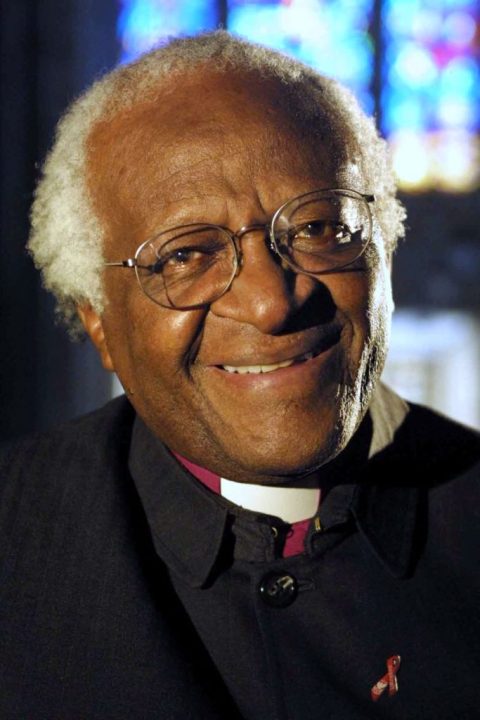
Archbishop Desmond Tutu. Public Domain
Lent is also inseparable from the idea of love expressed through sacrifice. Christians reflect on the suffering and death of Jesus not as an abstract doctrine but as an act of self-giving. The season, therefore, calls believers to imitate that spirit in daily life. Forgiving more quickly, helping more generously, and caring more intentionally. South African Archbishop Desmond Tutu captured this when he wrote that Lent is not truly about giving up small pleasures but about giving up indifference and selfishness. The real sacrifice, he suggested, is learning to love others more deliberately.
Prayer, fasting, and charity, the three traditional pillars of Lent, work together. Fasting disciplines the body, prayer directs the heart, and charity transforms relationships. When practiced sincerely, the season reshapes how believers see both God and neighbor. Small actions begin to matter: repairing a relationship, checking on someone in need, or practicing honesty where convenience once prevailed.
References
Augustine of Hippo. Sermon 207: On Lent. New Advent Church Fathers Archive. https://www.newadvent.org/fathers/
Tutu, Desmond. God Has a Dream: A Vision of Hope for Our Time. New York: Doubleday, 2004.

Okechukwu Nzeribe works with the Onitsha Chamber of Commerce, in Anambra State, Nigeria, and loves unveiling the richness of African cultures. okechukwu.onicima@gmail.com