Photo credit: Keke Palmer / Instagram
If you have ever Googled “irregular periods,” “stubborn weight gain,” or “why is my hair thinning,” and ended up down a rabbit hole that somehow led you to Polycystic Ovary Syndrome (PCOS), you are not alone. Millions of Black women have been on that exact search. And as of May 2026, there is something new to know: the condition you may have been diagnosed with, or suspect you have, has a new name. In May 2026, after more than a decade of advocacy, PCOS was renamed to Polyendocrine Metabolic Ovarian Syndrome (PMOS). This reflects a deeper and more accurate understanding of the condition, and it carries major implications for Black women, who have long faced delayed diagnoses, stigma, and inadequate care.
For many years, the term PCOS misled both patients and clinicians. It suggested that ovarian cysts were the defining feature, even though many women with the condition never had cysts at all. The name also narrowed the focus to reproductive health, ignoring the condition’s broader metabolic and endocrine complications.
The new name, PMOS, finally acknowledges what patients, especially Black women, have been saying for decades: this condition affects the whole body, not just the ovaries. It impacts hormones, metabolism, mental health, cardiovascular risk, and long‑term well-being.
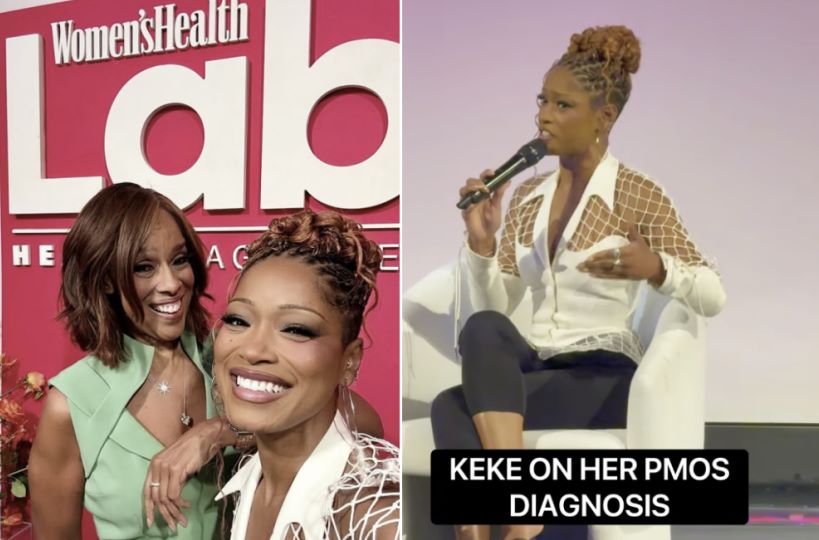
Keke Palmer perfectly illustrated why renaming PCOS to PMOS is the right move. During the 2026 Women’s Health Lab, she opened up about what living with PMOS is like.
“I had it all my life, and it was a burden I learned to wear, but I didn’t want it. It’s not just me needing to drink more water, because people kept saying that. I’m like, I’m drinking a lot. At this point, I’m a fish.
“I remember just reaching a point where I said, ‘I got to solve this. I’ve got to fix this. This isn’t just acne; this is my body telling me something more is going on.’”
Also speaking, Dr Joy Chionuma added that a more comprehensive understanding of PMOS is essential, especially for Black women who face unique health risks.
“When we look at the implications for Black women’s health, PMOS is very much a reality for us. Some say the risks are more with us. Some studies have shown that we face a higher risk of type 2 diabetes, insulin resistance, hirsutism, and hypertension. They have also talked about how outside Africa, many Black women encounter diagnostic bias, with symptoms often dismissed as lifestyle‑related rather than investigated properly.
“The old focus was more on polycystic ovarian syndrome, which led to many missed diagnoses. The shift to an endocrine‑metabolic definition now makes it clear that a woman can have PMOS without polycystic ovaries, and her short‑ and long‑term risks remain the same.
“We already face elevated risks of hypertension, rising obesity, and hyperlipidemia, so there is a need to intensify education among Black women. Clinicians should be more holistic when managing Black women because the condition is often overlooked.”
PMOS is a complex hormonal disorder affecting the ovaries. While the exact cause remains unknown, it is considered to involve a combination of genetic, hormonal, and environmental factors. It is a lifelong health condition that continues beyond childbearing years, and its symptoms can vary from woman to woman, but some of the most common symptoms include irregular or absent menstrual periods, excess hair growth (hirsutism), especially on the face, chest, and back, acne, weight gain, thinning hair, mood swings, infertility, and fatigue.
Beyond these visible symptoms, it carries long-term health consequences, including insulin resistance, type 2 diabetes, cardiovascular disease, and infertility. Managing it often requires a holistic approach, including lifestyle changes, medications, and support from healthcare providers.
If you were previously diagnosed with PCOS, your diagnosis has not changed. PCOS and PMOS describe the exact same condition. Your medical records, your treatment plan, and your symptoms remain the same. Only the label has been updated, and both names will be used interchangeably during a three-year transition period.
Source: African Female Voices
Despite the prevalence of PMOS, there is a notable lack of awareness and open discussion within the Black community. This silence can be attributed to several factors, including stigma, misconceptions, and a historical lack of representation in medical research. While this affects women of all racial and ethnic backgrounds, there are unique factors that make it particularly challenging for Black women:
Misdiagnosis and Delayed Diagnosis
- Black women often experience delayed or misdiagnosed PMOS due to racial biases in healthcare. Some medical professionals may assume that PMOS primarily affects White women, leading to underdiagnosis or misdiagnosis in Black patients.
- Misdiagnosis can result in prolonged suffering, delayed treatment, and increased health risks.
A widely quoted World Health Organization (WHO) report stated that up to 70% of the people who have PMOS may be undiagnosed.
Cultural Stigma
- A cultural stigma surrounding reproductive health in the Black community can make discussing PMOS difficult.
- Stereotypes about Black women’s bodies and fertility can further complicate conversations about PMOS, as some may fear judgment or ostracization.
Socioeconomic Factors
- Socioeconomic disparities often intersect with PMOS in the Black community. Access to healthcare, including specialists and fertility treatments, can be limited for some due to financial barriers.
- These disparities can exacerbate the physical and emotional toll of PMOS.
PMOS and Infertility
PMOS is a leading cause of female infertility, affecting approximately 6% to 12% of women of reproductive age in the United States alone. This means as many as 5 million women in the US grapple with the challenges of PCOS when trying to conceive. However, the repercussions of PCOS extend far beyond its influence on fertility.
Many women with PMOS experience insulin resistance, a condition where the body can produce insulin but cannot use it effectively. This resistance increases the risk of developing type 2 diabetes over time. Insulin resistance can be particularly challenging for those with PMOS, as it can lead to various metabolic issues and complications, necessitating long-term management and vigilance.
PMOS often leads to higher levels of androgens, typically considered male hormones but also present in females. Elevated androgen levels can disrupt the normal menstrual cycle by inhibiting ovulation. This disruption can result in irregular periods, acne, thinning scalp hair, and excess hair growth on the face and body, a condition known as hirsutism.
Breaking the Silence and Stigma in the Black Community
Cultural expectations can make seeking help even more difficult. In many Black families, conversations about reproductive health remain private. Discussions about infertility, menstrual health, or hormonal disorders may be considered uncomfortable or even taboo. Women experiencing symptoms often suffer in silence, fearing judgment or misunderstanding.
However, social media has helped break some of that silence. Across platforms like TikTok, Instagram, and YouTube, more Black women are openly sharing their experiences with PCOS, discussing everything from diagnosis and fertility journeys to lifestyle changes and mental health.
Lori Harvey, model and entrepreneur, had been dealing with irregular weight changes, acne, facial hair, and severe menstrual cramps since she was a teenager, but never got answers. She opened up about her experience living with PCOS, sharing how years of feeling dismissed by doctors delayed answers about her condition.
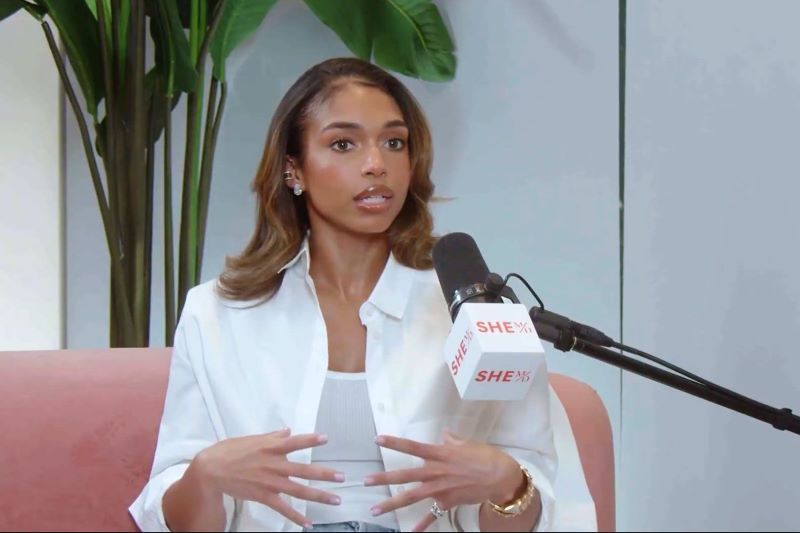
Photo credit: SheMD podcast
“I’ve been so frustrated. I’ve been going to my gynaecologist because I’ve just been feeling like something’s off in my body,” she said. “But every time I go to her, she’s like, ‘You’re fine, you’re fine, you’re fine. Nothing’s wrong.’ And I was like, ‘But I don’t feel fine. I feel like something is just off.’”
She was diagnosed with PCOS and endometriosis after she was referred to famed Los Angeles-based OB-GYN Dr Thaïs Aliabadi, who told her during their first appointment together that there were “quite a few things going on” with her body.
Some Nigerian actresses and influencers like Etinosa Idemudia, Juliana Olayode, Stephanie Coker, Maraji, and others have been open about their struggles with PCOS.
These personal stories have created supportive communities where women can learn from one another, ask questions, and realize they are not alone. While online information should never replace professional medical advice, these conversations have played a powerful role in increasing awareness and encouraging earlier diagnosis.
Living with PCOS can also take a significant emotional toll. Visible symptoms like facial hair, acne, weight changes, and hair thinning often affect confidence and self‑esteem. For women trying to conceive, repeated disappointment can lead to anxiety or depression. Acknowledging the emotional impact is just as important as treating the physical symptoms. Support from mental‑health professionals, counseling, and peer groups can help people cope with both the condition and the emotional strain that comes with it.
To address the silence and stigma surrounding PMOS in the Black community, it is crucial to take concrete steps like raising awareness, encouraging open conversations in schools, community centers, and online spaces, and destigmatizing PMOS through storytelling.
Breaking the silence around PMOS also requires addressing the broader issue of healthcare equity. Black women deserve culturally competent healthcare where their concerns are taken seriously and where healthcare professionals understand how race, culture, and socioeconomic factors can influence diagnosis and treatment.
Community organizations, healthcare providers, and media platforms all have a role to play. By sharing accurate information, encouraging open conversations, and challenging harmful myths, we can help ensure that fewer women suffer in silence.
Anand Subramanian is a freelance photographer and content writer based out of Tamil Nadu, India. Having a background in Engineering always made him curious about life on the other side of the spectrum. He leapt forward towards the Photography life and never looked back. Specializing in Documentary and Portrait photography gave him an up-close and personal view into the complexities of human beings and those experiences helped him branch out from visual to words. Today he is mentoring passionate photographers and writing about the different dimensions of the art world.